

Struggling with bloating, cramps, or heartburn after meals? You’re not alone – 1 in 4 Americans experience indigestion annually, and 10% of people worldwide feel abdominal pain after eating. The good news? You can manage and prevent post-meal discomfort with simple changes.
Key Takeaways:
- Common Causes: Overeating, eating too quickly, or consuming trigger foods like spicy, fatty, or acidic items.
- Food Triggers: High-FODMAP foods (e.g., broccoli), fried items, sugary drinks, and alcohol.
- Gut Health: A balanced gut supports digestion and overall well-being.
- Prevention Tips:
- Eat smaller meals and chew slowly.
- Avoid lying down after eating – stay upright or take a short walk.
- Incorporate gut-friendly foods like yogurt, ginger, and whole grains.
- When to See a Doctor: Severe pain, blood in stool, weight loss, or persistent symptoms.
Make small changes like mindful eating, balanced meals, and better posture to ease discomfort and improve digestion. For recurring issues, consult a healthcare provider to rule out underlying conditions like GERD or IBS.
Stomach Pain After Eating? 3 Reasons Your Stomach Hurts & How To Solve It
Main Causes of Post-Meal Discomfort
Feeling uncomfortable after eating can often be traced back to the foods we eat, how we eat, or even underlying health issues. Let’s break down the main contributors to post-meal discomfort.
Food Triggers
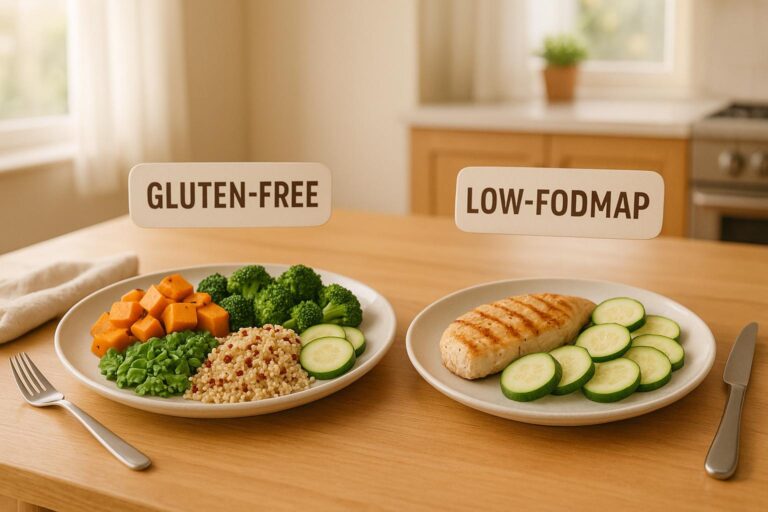
Certain foods are notorious for stirring up digestive trouble. For instance, high-FODMAP foods like broccoli, cauliflower, cabbage, and onions can ferment in the gut, leading to gas and bloating in people who are sensitive to them. These foods contain carbohydrates that don’t get absorbed well, which can cause those unpleasant symptoms.
Spicy foods, especially those containing capsaicin (like chili peppers), can irritate the stomach and esophagus, often causing heartburn or abdominal discomfort. A 2017 Korean study found that spicy stews triggered GERD symptoms in over half of the cases studied. Dr. Allan Capin, an urgent care provider, advises:
"Everyone has a limit to what they can tolerate. If you have pain when you eat spicy foods, then stop".
Acidic foods, such as citrus fruits and tomatoes, can aggravate the stomach lining and worsen acid reflux. Similarly, high-fat foods like fried items or fatty meats can relax the lower esophageal sphincter (LES) and slow down stomach emptying, increasing the chances of reflux. Sugary drinks are another culprit, often causing bloating and gas.
| Food Trigger | Effect on Digestion |
|---|---|
| High-FODMAP foods (e.g., broccoli, cauliflower) | Cause gas and bloating due to fermentation |
| Spicy foods (e.g., chili peppers) | Capsaicin irritation leads to heartburn and pain |
| Acidic foods (e.g., citrus, tomatoes) | Can worsen acid reflux symptoms |
| High-fat foods (e.g., fried foods) | Relax LES and delay stomach emptying, increasing reflux risk |
| Sugary drinks | Trigger bloating and gas |
Eating Habits
How you eat is just as important as what you eat. Eating too quickly is a common habit that can lead to discomfort. When you rush through meals, your brain doesn’t get the chance to register fullness, often causing overeating. Erma Levy, a Senior Research Dietitian at MD Anderson, explains:
"It takes about 20 minutes for your stomach to send a signal to your brain letting it know that you’re full".
Overeating stretches the stomach, which typically holds about 1–2 cups of food. This can lead to bloating, gas, and even nausea. It can also push digestive fluids into the esophagus, causing heartburn. Timing matters too – eating large meals close to bedtime can worsen symptoms because lying down makes it easier for stomach acid to move into the esophagus. Staying upright and active after eating allows your body to digest more effectively.
Health Conditions
Underlying health issues can also play a big role in post-meal discomfort. For example, Irritable Bowel Syndrome (IBS) affects 10–15% of Americans and often causes abdominal pain, bloating, and changes in bowel habits after eating.
Gastroesophageal Reflux Disease (GERD) is another common condition, with up to two-thirds of people with IBS also experiencing GERD symptoms. GERD happens when stomach acid frequently flows back into the esophagus, leading to heartburn and discomfort.
Lactose intolerance, which affects about 68% of the global population, occurs when the body doesn’t produce enough lactase to digest lactose in dairy products. Symptoms like bloating, gas, and diarrhea usually appear within 30 minutes to 2 hours after consuming dairy.
Food sensitivities and allergies can also cause discomfort, though their mechanisms differ from those of typical digestive reactions. Other conditions, such as gallstones, peptic ulcers, celiac disease, and inflammatory bowel disease, can contribute to digestive issues as well. Dr. Fady Haddad, a gastroenterologist at University Hospitals, emphasizes:
"Food can be a factor that worsens symptoms, but it’s not always the only reason that patients have symptoms. They can have anatomical problems, such as a hiatal hernia for example".
Keeping a detailed food diary can help pinpoint triggers and identify any underlying conditions, paving the way for more effective treatment.
How to Prevent Post-Meal Discomfort
Avoiding digestive discomfort often comes down to making smarter food choices, eating at the right times, and adopting mindful eating habits. By tailoring these strategies to your individual needs, you can help ease gastric pain and maintain a balanced gut environment.
Building Better Meals
The foods you eat play a key role in supporting digestion. Start by including gut-friendly options like probiotics – found in yogurt, kefir, sauerkraut, and kimchi – to improve gut health and reduce inflammation. Gentle, low-acid fruits like bananas, melons, and avocados are easier on the stomach. Adding fresh ginger to meals or sipping on ginger tea can also help soothe your stomach and aid digestion. For fiber and digestive benefits, reach for whole grains such as brown rice, quinoa, and oats.
When it comes to proteins, lean options like chicken and fish are your best bet. Opt for healthier cooking methods like grilling or baking instead of frying. Aim for balanced meals with a mix of carbohydrates, lean protein, and healthy fats.
A quick tip for reading nutrition labels: choose products where protein grams are higher than sugar content, and avoid items with more than 8 grams of sugar per serving.
On the flip side, certain foods are known to trigger discomfort and are best avoided:
| Food to Avoid | Why to Avoid |
|---|---|
| Spicy Foods | They can irritate the stomach lining, leading to gastric pain. |
| Fatty Foods | They take longer to digest, increasing acid production and discomfort. |
| Citrus Fruits | They may aggravate the stomach lining and trigger acid reflux. |
| Carbonated Drinks | These can cause bloating and put pressure on the stomach. |
| Alcohol | It irritates the stomach lining and can contribute to acid reflux and pain. |
Once you’ve built balanced meals, timing them correctly can make a big difference.
Meal Timing
Establish a consistent eating schedule by having meals at roughly the same times each day. This habit allows your digestive system to work more efficiently. Space out meals enough to let your stomach settle, reducing the chance of discomfort.
In addition to timing, how you eat is just as important.
Mindful Eating Methods
Mindful eating encourages you to focus on the experience of eating – taking in the aroma, appearance, and flavors of your food while being aware of your body’s hunger and fullness signals.
Lawrence Robinson and Jeanne Segal, Ph.D., describe it this way:
"Mindful eating is maintaining an in-the-moment awareness of the food and drink you put into your body. It involves observing how the food makes you feel and the signals your body sends about taste, satisfaction, and fullness."
Practicing mindful eating can be as simple as slowing down and chewing thoroughly, which helps ease digestion. Engage all your senses during meals to enhance the experience.
Deborah Kesten and Larry Scherwitz emphasize this idea:
"When you take time to experience your food through all your senses; taste (flavor), smell (aroma), sight (presentation), sound (of surroundings), and touch (movement of utensils and the feel of the food), you are likely to be truly nourished."
Avoid distractions like phones or TV while eating. This allows you to notice when you’re about 80% full, helping to prevent overeating. Create a calming environment by dimming the lights or lighting a candle. Take a few deep breaths before eating, and rest your utensils between bites to check in with your hunger levels.
Finally, practicing gratitude for your meal – reflecting on where the food came from and the effort behind it – can deepen your connection to the experience.
sbb-itb-f98f348
Treatments for Post-Meal Discomfort
When preventive measures fall short, there are several ways to address post-meal discomfort. The best approach depends on your specific symptoms and how well you respond to different remedies.
Natural Remedies
Natural remedies can complement preventive strategies and provide quick relief. Many herbal options are known to ease digestion, with research backing their effectiveness.
Peppermint is a popular choice for soothing the digestive system. Drinking peppermint tea or taking enteric-coated peppermint oil capsules can help relax the muscles in your gut and reduce bloating. However, if you have anemia or GERD, you should use peppermint with caution.
Ginger is another excellent remedy, known for its anti-inflammatory properties. Whether consumed as tea or added to meals, ginger can help with nausea, cramping, bloating, and gas.
For those dealing with gas and bloating, fennel seeds are a simple yet effective solution. Chewing a teaspoon of fennel seeds after meals or brewing fennel tea can relax gut muscles and reduce flatulence.
Chamomile tea is a gentle option for relieving cramps, gas, and stomach pain. Its mild anti-inflammatory effects make it safe for regular use, and the warmth of the tea itself can be comforting for an upset stomach.
Apple cider vinegar (ACV) might also be helpful for gas and bloating. Mix a tablespoon of ACV with a glass of water and drink it before meals. Just make sure to rinse your mouth afterward to protect your tooth enamel.
Experiment with different herbal teas to find the one that works best for your symptoms.
Lifestyle Changes
Adjusting your daily habits can also alleviate post-meal discomfort. Posture plays a surprisingly important role in digestion. Dr. Kyle Staller, a gastroenterologist at Massachusetts General Hospital, explains:
"Slouching puts pressure on the abdomen, which can force stomach acid in the wrong direction. And some evidence suggests that transit in the intestines slows down when you slouch. In my opinion, it probably does play a small role."
Sitting upright during and after meals can reduce GERD symptoms and improve digestion. A 2017 study showed that sitting upright while eating protein-rich foods helps the stomach empty faster and aids protein digestion. Avoid lying down immediately after eating, as this can slow digestion and trigger acid reflux. If you need to lie down, choose your left side – research indicates that lying on the right side may relax the muscles between the stomach and esophagus, increasing the chance of acid reflux.
Dr. Mustafa Al-Shammari, a gastroenterologist at Henry Ford Health, adds:
"While standing to eat could offer individuals with these conditions relief, it’s not the only solution. Sitting upright during and after eating provides the same benefit."
Light movement after meals can also help. A gentle 10–15 minute walk or staying upright for two to three hours after eating can improve how efficiently your digestive system works.
Supplements and Digestive Aids
If natural remedies and lifestyle changes don’t fully address your discomfort, supplements might provide additional support.
Digestive enzyme supplements can help break down carbohydrates, fats, and proteins, easing symptoms like bloating and gas. For those with lactose intolerance, lactase supplements can make dairy easier to digest. Similarly, alpha-galactosidase supplements can assist in breaking down complex carbohydrates found in beans and vegetables.
Probiotics offer a different kind of support by promoting a healthy balance of gut bacteria, which is crucial for digestion. While enzymes focus on breaking down food, probiotics maintain the bacterial environment needed for optimal digestive health. Look for probiotics that include a mix of Lactobacillus and Bifidobacterium strains.
Morgan Denhard, a registered dietitian at Johns Hopkins Medicine, notes:
"Overall, a healthy person really doesn’t need to take digestive enzyme supplements. Natural enzymes are optimal for digestion, and they work best when you eat a whole food diet."
However, for those with low enzyme levels, supplements can offer targeted relief. Be sure to choose products from reputable brands and consult a healthcare provider if you plan to use them regularly, as over-the-counter supplements can vary in quality and dosage.
When to See a Doctor
Sometimes, post-meal discomfort is nothing more than a passing annoyance that responds well to dietary tweaks or home remedies. But there are moments when it’s crucial to seek medical care. Knowing when to get help can be the key to addressing minor issues early – or catching something more serious before it worsens.
Warning Signs
Certain symptoms shouldn’t be brushed off, as they might signal a deeper problem requiring immediate attention. For instance, severe or prolonged abdominal pain is a clear sign that you should consult a healthcare professional right away.
Another warning sign is blood in your stool or rectal bleeding. Dr. Christopher Kim, a gastroenterologist at Houston Methodist, emphasizes:
"Any time you see blood in your stool or have rectal bleeding that is accompanied by changes in your bowel habits or to the color or consistency of your stool, it’s critical that you see a gastroenterologist. Rectal bleeding isn’t always a huge concern, but it can be a sign of a serious medical condition such as colorectal cancer."
Additionally, persistent discomfort after meals paired with unexplained weight loss is a symptom that needs immediate evaluation.
Some situations call for urgent care. Call 911 if you experience vomiting blood or sudden, intense abdominal pain. Dehydration caused by ongoing vomiting or severe diarrhea – especially if you’re unable to keep liquids down – is another emergency.
Other serious symptoms include difficulty swallowing, yellowing of the skin or eyes (jaundice), chest pain, or ongoing nausea and vomiting. If these signs persist, your doctor will likely recommend diagnostic tests to uncover the root cause.
Medical Tests and Diagnosis
When concerning symptoms arise, medical tests can help pinpoint the problem. During your visit, your doctor will evaluate your symptoms, review your medical history, and conduct a physical exam. Based on this initial assessment, they may suggest specific tests to identify the cause of your discomfort.
One common procedure is an upper GI endoscopy. This involves inserting a flexible tube with a camera through your mouth to examine the esophagus, stomach, and upper small intestine. It’s a useful tool for diagnosing issues like gastritis, peptic ulcers, or even stomach cancer. If needed, tissue samples can be taken for further analysis during the procedure.
Imaging tests – such as X-rays, CT scans, or ultrasounds – are another option. These help doctors get a clearer picture of your digestive system and identify any structural abnormalities or diseases.
If a bacterial infection like H. pylori is suspected, your doctor might recommend tests such as an upper GI biopsy, stool test, urea breath test, or blood test. H. pylori is a common culprit behind stomach ulcers and chronic gastritis.
For conditions like gastroparesis or dumping syndrome, gastric emptying studies can be particularly helpful. These tests measure how quickly food moves from your stomach to your small intestine. Typically, about 90% of food should leave the stomach within four hours. The most common method involves eating a meal containing a radioactive tracer, which allows doctors to track food movement through your digestive system.
Other options include the gastric emptying breath test, which analyzes specific substances in your breath, or the Smart Pill (a wireless motility capsule) that collects data as it travels through your digestive tract.
An upper GI series, or barium swallow, is another diagnostic tool. By drinking a barium solution that coats your internal organs, doctors can use X-rays to detect structural issues in the upper digestive tract.
To make your appointment as productive as possible, consider keeping a detailed symptom diary. Note when symptoms occur, what you ate, and how severe they were. This can help your doctor identify patterns and decide which tests will be most effective.
Conclusion: Managing Your Post-Meal Comfort
Taking control of your post-meal comfort is entirely possible by tuning into your body’s signals and making thoughtful adjustments. As Dr. Fady Haddad points out, eating smaller, more frequent meals can help reduce acid production, making these lifestyle tweaks an important step.
Combining mindful eating habits, balanced nutrition, and staying properly hydrated can significantly minimize discomfort. Simple actions like staying upright after meals or taking a short walk can also aid digestion. For ongoing issues, incorporating stress management and regular exercise into your routine may provide additional relief.
DigestiveBoost is here to guide you with evidence-based advice on digestive enzymes, probiotics, stress management techniques, and dietary adjustments to support a healthier gut.
Interestingly, surveys show that 13% of women and 9% of men frequently experience gastrointestinal discomfort after meals. If your symptoms persist for more than 24–48 hours or worsen, it’s essential to consult a healthcare professional. Small, steady changes in your habits can lead to long-term improvements in your digestive health.
FAQs
How can I practice mindful eating to avoid discomfort after meals?
Mindful eating is a simple yet effective way to ease post-meal discomfort by improving digestion and tuning into your body’s signals. Here’s how you can start:
- Take your time and chew well: Eating slowly and thoroughly chewing each bite gives your digestive system a head start and helps you notice when you’ve had enough.
- Listen to your hunger and fullness cues: Begin eating when you’re truly hungry and stop once you feel satisfied – not stuffed.
- Minimize distractions: Put away your phone, turn off the TV, and focus on your meal. This allows you to fully enjoy your food and stay mindful of how much you’re eating.
Incorporating these habits into your routine can make a noticeable difference in how you feel after meals.
How can I figure out which foods might be causing my digestive discomfort?
Identifying foods that might upset your stomach starts with keeping a food diary. Jot down everything you eat and any symptoms you notice. Over time, you’ll start to see patterns that could point to problem foods. Another option is an elimination diet, where you temporarily cut out potential triggers – like dairy, gluten, or high-fat foods – and slowly reintroduce them to see if symptoms come back.
If you’re looking for a more organized way to track this, there are apps designed to log meals and symptoms. It’s also worth paying close attention to how your body reacts after eating common troublemakers, such as spicy dishes, caffeine, or processed snacks. For a more personalized plan, consulting a healthcare professional can be incredibly helpful.
How can I tell the difference between GERD, IBS, and lactose intolerance, and figure out which one might be causing my symptoms?
Digestive issues like GERD, IBS, and lactose intolerance are common, but they stem from different causes and present unique symptoms.
- GERD happens when stomach acid flows back into the esophagus. This often leads to heartburn, regurgitation, and discomfort, especially after eating or when lying down.
- IBS is a functional gut disorder. It’s characterized by abdominal pain, bloating, and irregular bowel movements – ranging from diarrhea to constipation or a mix of both. Stress and certain foods often trigger symptoms.
- Lactose intolerance occurs when the body struggles to digest lactose, the sugar found in dairy. This results in bloating, gas, and diarrhea after consuming dairy products.
Paying attention to your symptoms can offer clues. For instance, if discomfort follows dairy consumption, lactose intolerance might be the issue. GERD symptoms tend to flare up after meals or when reclining, while IBS symptoms vary and aren’t always linked to specific foods. To pinpoint the cause and develop a treatment plan, it’s best to consult a healthcare professional.