

Did you know? Up to 87% of IBS patients also experience symptoms of Functional Dyspepsia (FD), and nearly 46% of FD patients meet the criteria for IBS. These two common digestive disorders often overlap, making diagnosis and treatment more challenging.
Key Takeaways:
- Functional Dyspepsia (FD): Causes persistent upper abdominal discomfort, including bloating, pain, and early satiety, without a structural cause.
- Irritable Bowel Syndrome (IBS): Involves abdominal pain, bloating, and changes in bowel habits (diarrhea, constipation, or both).
- Shared Features: Both conditions involve disrupted brain-gut communication, visceral hypersensitivity, and altered gut motility.
- Overlap Statistics: 26–46% of FD patients also have IBS, while 13–87% of IBS patients experience FD symptoms.
- Challenges: Misdiagnosis can lead to unnecessary treatments like gallbladder removal for IBS patients (8% undergo this without need).
Why This Matters:
Recognizing the overlap between FD and IBS is crucial for effective care. A combined treatment approach targeting both conditions – rather than treating them separately – can improve outcomes and reduce unnecessary procedures.
| Condition | Symptoms | Prevalence | Diagnosis |
|---|---|---|---|
| Functional Dyspepsia (FD) | Upper abdominal pain, bloating, fullness | 21% globally | Rome IV criteria, symptom-based |
| Irritable Bowel Syndrome (IBS) | Abdominal pain, bowel habit changes | 10–15% in U.S. (12% globally) | Rome IV criteria, symptom-based |
Understanding the connection between FD and IBS can lead to better management strategies and improved quality of life for patients. Let’s explore how these conditions overlap and what can be done to address them.
Dyspepsia and IBS: Symptoms, causes and treatment options | HOUSTON LIFE | KPRC 2

1. Functional Dyspepsia (FD)
Functional dyspepsia (FD) is a condition that involves persistent indigestion without any clear structural cause. Its overlap with irritable bowel syndrome (IBS) often complicates diagnosis, highlighting the importance of careful evaluation.
Symptoms
The primary symptoms of FD revolve around discomfort in the upper abdomen. Common complaints include pain, bloating, a sensation of fullness after eating small amounts (early satiety), and burning sensations that can mimic heartburn. These symptoms often resemble those seen in peptic ulcer disease or gastroesophageal reflux disease (GERD), making the initial diagnosis challenging. FD is generally categorized into two patterns:
- Epigastric pain syndrome: Involves upper abdominal pain and burning sensations.
- Postprandial distress syndrome: Characterized by early satiety, fullness, bloating, and stomach pain after meals.
Symptom patterns can vary over time, reflecting changes in gastrointestinal function.
Pathophysiology
The mechanisms behind FD are complex and not fully understood. Key contributors include visceral hypersensitivity and irregular gastric motility. For instance, 25–35% of patients experience delayed gastric emptying, while others may have rapid emptying or trouble with gastric accommodation. Additionally, research shows that low-grade inflammation in the duodenum is present in over 40% of patients, suggesting inflammation may play a role in symptom development. Stress, anxiety, and depression can further amplify symptoms by disrupting the gut-brain axis, altering how the brain processes signals from the digestive system.
Diagnosis
Diagnosing FD primarily depends on identifying symptoms, with the Rome IV criteria serving as a key diagnostic tool. These criteria define dyspepsia based on signs like postprandial fullness, early satiety, epigastric pain, and burning sensations. Before confirming the diagnosis, it’s essential to rule out structural issues through imaging or endoscopy. Differentiating FD from IBS can be tricky. A study in Taiwan found that over half of patients with FD also met IBS criteria, with about one-third of them experiencing upper abdominal symptoms that could be attributed solely to IBS. The Rome IV criteria were specifically designed to focus on identifying functional gastrointestinal disorders by emphasizing typical symptoms and excluding warning signs.
Treatment Approaches
Managing FD involves a combination of strategies tailored to the patient’s symptoms. Avoiding trigger foods is a cornerstone of treatment. Since psychological factors like stress can worsen symptoms, stress management techniques are also important. Treatment plans should be customized to address the patient’s dominant symptoms – whether they involve epigastric pain or postprandial distress – to improve outcomes.
2. Irritable Bowel Syndrome (IBS)
Irritable bowel syndrome (IBS) is a common gastrointestinal disorder characterized by recurring abdominal pain and changes in bowel habits. While it often overlaps with functional dyspepsia, IBS has its own distinct clinical features and symptom patterns.
Symptoms
IBS symptoms include abdominal pain or cramping, gas, bloating, diarrhea, constipation, or a combination of both. Some individuals may also notice mucus in their stool. A hallmark of IBS is that abdominal pain often correlates with bowel movements, along with noticeable changes in stool frequency or appearance.
"Irritable bowel syndrome, or IBS, causes uncomfortable or painful abdominal symptoms. Constipation, diarrhea, gas and bloating are all common symptoms of IBS. IBS doesn’t damage your digestive tract or raise your risk for colon cancer. You can often manage symptoms through medications, diet and lifestyle changes." – Cleveland Clinic
Interestingly, IBS and functional dyspepsia often overlap. Research shows that 26% to 46% of those with functional dyspepsia also experience IBS, while as many as 87% of IBS patients meet the criteria for functional dyspepsia. Among IBS subtypes, individuals with constipation-predominant IBS (IBS-C) appear more likely to develop functional dyspepsia compared to those with diarrhea-predominant IBS (IBS-D). Despite affecting 10% to 15% of adults in the U.S., only about 5% to 7% of individuals with IBS seek medical care.
This overlap of symptoms and conditions underscores the complexity of diagnosing and managing IBS.
Pathophysiology
Like functional dyspepsia, IBS stems from a mix of factors, with no single cause. Disruptions in gut-brain communication play a central role. Mechanisms shared by both conditions include visceral hypersensitivity, gastrointestinal motility issues, altered gut microbiota, inflammation, and psychosocial factors. For instance, studies reveal that impaired stomach accommodation to meals occurs in about 31% of patients with overlapping FD-IBS, compared to 35% in those with only functional dyspepsia. Similarly, hypersensitivity to gastric distension is more common in those with both conditions (44% vs. 28%).
Additionally, abnormal central nervous system processing and immune responses further contribute to the overlap. A meta-analysis even found that individuals with functional dyspepsia are eight times more likely to have IBS than those without it.
Diagnosis
IBS is primarily diagnosed using the Rome IV criteria. This requires recurrent abdominal pain occurring at least one day per week over the past three months, along with two or more of the following: pain related to defecation, changes in stool frequency, or changes in stool form. However, diagnosing IBS can be tricky due to its frequent overlap with functional dyspepsia. Studies suggest that between 13% and 87% of patients with either condition might meet the criteria for both.
It’s essential to differentiate IBS from other overlapping disorders to ensure appropriate treatment and management.
Treatment Approaches
Treating IBS involves addressing both symptoms and potential triggers. Dietary changes are a key component, with patients often encouraged to track their food intake and symptoms to identify specific triggers. Staying well-hydrated and using short-term probiotics may also help rebalance gut bacteria and alleviate symptoms.
For patients dealing with both IBS and functional dyspepsia, treatment can be more challenging. These individuals often experience subtypes like postprandial distress syndrome or epigastric pain syndrome, requiring a comprehensive approach targeting the entire digestive system. Psychological factors also play a role. Research indicates that women with overlapping IBS and dyspepsia report higher levels of anxiety, depression, and PTSD. In such cases, psychological therapies can be beneficial, particularly when medications alone don’t provide sufficient relief.
sbb-itb-f98f348
Benefits and Drawbacks
Managing FD (functional dyspepsia) and IBS (irritable bowel syndrome) is no easy feat. The two conditions share a significant overlap in symptoms, making both diagnosis and treatment particularly tricky.
Diagnostic Challenges and Opportunities
Diagnosing FD and IBS often relies on symptom-based criteria, which can vary in their reliability. For example:
- The Manning criteria have a sensitivity of 78% and a specificity of 72%.
- The Kruis criteria show a sensitivity of 77% and a specificity of 89%.
- The Rome I criteria achieve 100% specificity but only 65% sensitivity.
Despite these tools, many healthcare providers struggle with accurate identification. Less than half of HMO family practitioners can correctly diagnose IBS symptoms, and only 35% are familiar with the Manning and Rome criteria. This gap in knowledge often delays diagnosis – over 40% of patients report experiencing symptoms for five years or more before receiving a proper diagnosis.
The overlap between FD and IBS adds another layer of complexity. IBS symptoms alone account for nearly 25% of colonoscopies performed in patients under 50 years old.
Here’s a quick breakdown of diagnostic methods and their pros and cons:
| Aspect | Benefits | Drawbacks |
|---|---|---|
| Symptom-Based Diagnosis | Non-invasive, cost-effective, and widely accessible | Low physician awareness, high symptom overlap, and delayed diagnosis |
| Traditional Lab Tests | Useful for ruling out other conditions and relatively inexpensive | Limited value without alarm features and cannot confirm FD/IBS diagnosis |
| Specialized Testing | Can pinpoint specific triggers like lactose intolerance or celiac disease | Expensive, requires specialized equipment, and often has a low yield without alarm symptoms |
| Endoscopic Procedures | Excellent for ruling out organic diseases | Invasive, costly, and often unnecessary in patients without alarming symptoms |
These diagnostic hurdles directly impact treatment outcomes, which can range from promising to inconsistent, depending on the approach.
Treatment Effectiveness and Limitations
Treatment results for FD and IBS vary widely. For IBS, certain interventions have shown measurable benefits:
- Combination probiotics: Can reduce persistent symptoms by 21% (relative risk of 0.79).
- Peppermint oil: Offers even greater relief, with a 46% reduction in symptom persistence (relative risk of 0.54).
Central neuromodulators, such as tricyclic antidepressants and SSRIs, have proven effective for both FD and IBS, reducing treatment failure rates by 34%. For FD specifically, proton pump inhibitors (PPIs) provide moderate relief, with a number needed to treat (NNT) of approximately 15.
However, the overlap between FD and IBS often complicates treatment plans. Kok-Ann Gwee of the Stomach Liver & Bowel Clinic in Singapore highlights this challenge:
"At the end of the day, the key consideration is whether the division of patients into FD and IBS has led to improved treatment outcomes. The experience with sub-classification of FD suggests that this is not the case. Perhaps it is now time to lump again rather than split, and also in our research to return to the old approach of examining combination treatments. After all, combination treatment is the reality of clinical practice."
Patient Experience and Quality of Life Impact
Beyond the clinical aspects, FD and IBS significantly impact patients’ quality of life. Those with overlapping symptoms often face more severe health challenges compared to individuals dealing with just one condition. Research suggests that inflammation in these cases is more widespread, affecting both the upper and lower gastrointestinal tract.
Pinpointing the dominant symptom is critical for tailoring treatment. When symptoms overlap, healthcare providers often turn to combination therapies to address multiple mechanisms at once. Traditional single-condition treatments may fall short for these patients, given the broad spectrum of symptoms.
Additionally, current diagnostic models struggle to balance high specificity and sensitivity when distinguishing FD, IBS, and related conditions like GERD. With so much symptom overlap, even experienced gastroenterologists can find it challenging to make precise diagnoses. These difficulties highlight the need for integrated management strategies that consider the full scope of overlapping conditions, setting the stage for more effective care.
Conclusion
Understanding the overlap between functional dyspepsia (FD) and irritable bowel syndrome (IBS) is crucial for improving patient care. Research indicates that 26% to 46% of FD patients also have IBS, while up to 87% of IBS patients experience FD symptoms simultaneously. These numbers highlight just how interconnected these conditions are – far more than previously believed.
This overlap has direct implications for treatment. For instance, approximately 8% of IBS patients may undergo unnecessary cholecystectomies because their symptoms are mistakenly attributed to dyspepsia. As Kok-Ann Gwee from the Stomach Liver & Bowel Clinic in Singapore explains:
"The recognition of IBS in dyspeptic patients has potentially profound therapeutic importance. It could help to reduce the risk of unnecessary cholecystectomy in IBS patients."
The complexity of these conditions calls for a more personalized and multidisciplinary approach to care. Patients with overlapping symptoms often face greater challenges compared to those dealing with a single condition. A study from the University of Queensland highlights the benefits of team-based care: patients receiving multidisciplinary treatment experienced a 48% reduction in moderate-to-severe symptoms, compared to just 6% in the control group. Additionally, 57% of these patients achieved clinically significant improvements, versus only 23% with standard care.
This collaborative model – bringing together gastroenterologists, dietitians, psychologists, and other specialists – acknowledges the intricate nature of overlapping gut disorders. As one expert put it:
"Perhaps it is now time to lump again rather than split, and also in our research to return to the old approach of examining combination treatments. After all, combination treatment is the reality of clinical practice."
Adopting a broader perspective, as Hidekazu Suzuki suggests, means treating FD and IBS as part of "a disease of the entire gut as a single organ". This unified approach shifts the focus from isolated symptom management to addressing the patient’s overall experience, paving the way for more effective care in functional gastrointestinal disorders.
Beyond clinical practice, this integrated model provides patients with access to reliable, science-based resources. Platforms like DigestiveBoost offer tools and strategies to help individuals manage overlapping digestive conditions, reduce symptoms, and enhance overall gut health. These resources empower patients to take an active role in their wellness journey, guided by evidence-based insights.
FAQs
What are the key differences between Functional Dyspepsia and IBS, and how can patients tell them apart when symptoms overlap?
Functional Dyspepsia (FD) and Irritable Bowel Syndrome (IBS) might have overlapping symptoms, but they are distinct conditions with key differences. FD usually affects the upper digestive system, causing issues like bloating, feeling full quickly (early satiety), and discomfort or pain in the upper abdomen – often triggered by eating. In contrast, IBS is more focused on the lower digestive system, with symptoms such as abdominal pain tied to changes in bowel habits, including diarrhea, constipation, or a mix of both.
The triggers and timing of symptoms can also help distinguish between the two. FD symptoms tend to revolve around meals, while IBS symptoms can be more unpredictable, often influenced by stress or specific food sensitivities. Keeping a symptom diary and working closely with a healthcare provider can make it easier to identify the condition and develop a tailored treatment plan. For more tips and resources on digestion and gut health, visit DigestiveBoost.
What are the best ways to manage both functional dyspepsia (FD) and irritable bowel syndrome (IBS) at the same time?
Managing Functional Dyspepsia (FD) and Irritable Bowel Syndrome (IBS)
Dealing with functional dyspepsia (FD) and irritable bowel syndrome (IBS) often means tackling a mix of symptoms that overlap between the two conditions. A thoughtful, multi-faceted approach can make a big difference. Here’s what it typically involves:
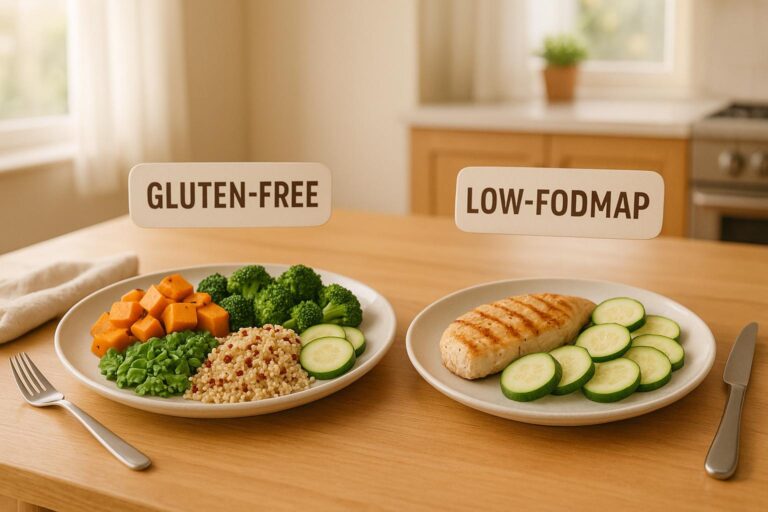
- Dietary adjustments: Following a low-FODMAP diet can ease symptoms by reducing fermentable carbohydrates that tend to cause bloating and discomfort.
- Medications: Treatments like proton pump inhibitors (PPIs) are often helpful for FD, while antispasmodics or low-dose tricyclic antidepressants (TCAs) can be beneficial for IBS.
- Mind-body therapies: Stress and anxiety frequently contribute to both conditions. Therapies such as cognitive behavioral therapy (CBT) can help manage these psychological factors effectively.
By combining these strategies, you can create a tailored plan that addresses both the physical and emotional aspects of FD and IBS. This approach not only helps alleviate symptoms but also supports better overall digestive health and well-being.
Why should psychological factors be considered when treating functional dyspepsia (FD) and irritable bowel syndrome (IBS), and how can they be managed?
Psychological factors are deeply intertwined with the treatment of functional dyspepsia (FD) and irritable bowel syndrome (IBS) due to the strong connection between the mind and the gut. Stress, anxiety, and depression often amplify gastrointestinal symptoms, creating a feedback loop that affects both physical health and overall quality of life.
To break this cycle, therapies like cognitive behavioral therapy (CBT) and hypnotherapy have proven effective. These approaches help reduce stress and equip patients with tools to manage their symptoms more effectively. Integrating these therapies into treatment plans not only enhances symptom management but also boosts overall well-being, making them a valuable component of holistic care.