
Managing IBS with an Anti-Inflammatory Diet
If you’re dealing with IBS, an anti-inflammatory diet can help reduce bloating, cramping, and unpredictable bowel habits. Here’s a quick guide to the best foods for soothing inflammation and improving gut health:
- Fatty Fish: Salmon, sardines, and mackerel are rich in omega-3s to reduce gut inflammation.
- Fermented Foods: Yogurt, kefir, and sauerkraut restore beneficial gut bacteria.
- Low-FODMAP Vegetables: Spinach, bok choy, and carrots are easier to digest.
- Turmeric & Ginger: These spices reduce inflammation and improve digestion.
- Berries: Blueberries and strawberries are low-FODMAP and packed with antioxidants.
- Nuts & Seeds: Walnuts, chia seeds, and flaxseeds provide fiber and healthy fats.
- Whole Grains: Oats, quinoa, and brown rice support gut health.
- Prebiotic Foods: Garlic, onions, and green bananas nourish good gut bacteria.
Quick Tip: Start small with new foods, track symptoms, and consult a dietitian for personalized advice.
Top 3 Foods to Help Irritable Bowel Syndrome and Stomach Issues
1. Fatty Fish High in Omega-3s
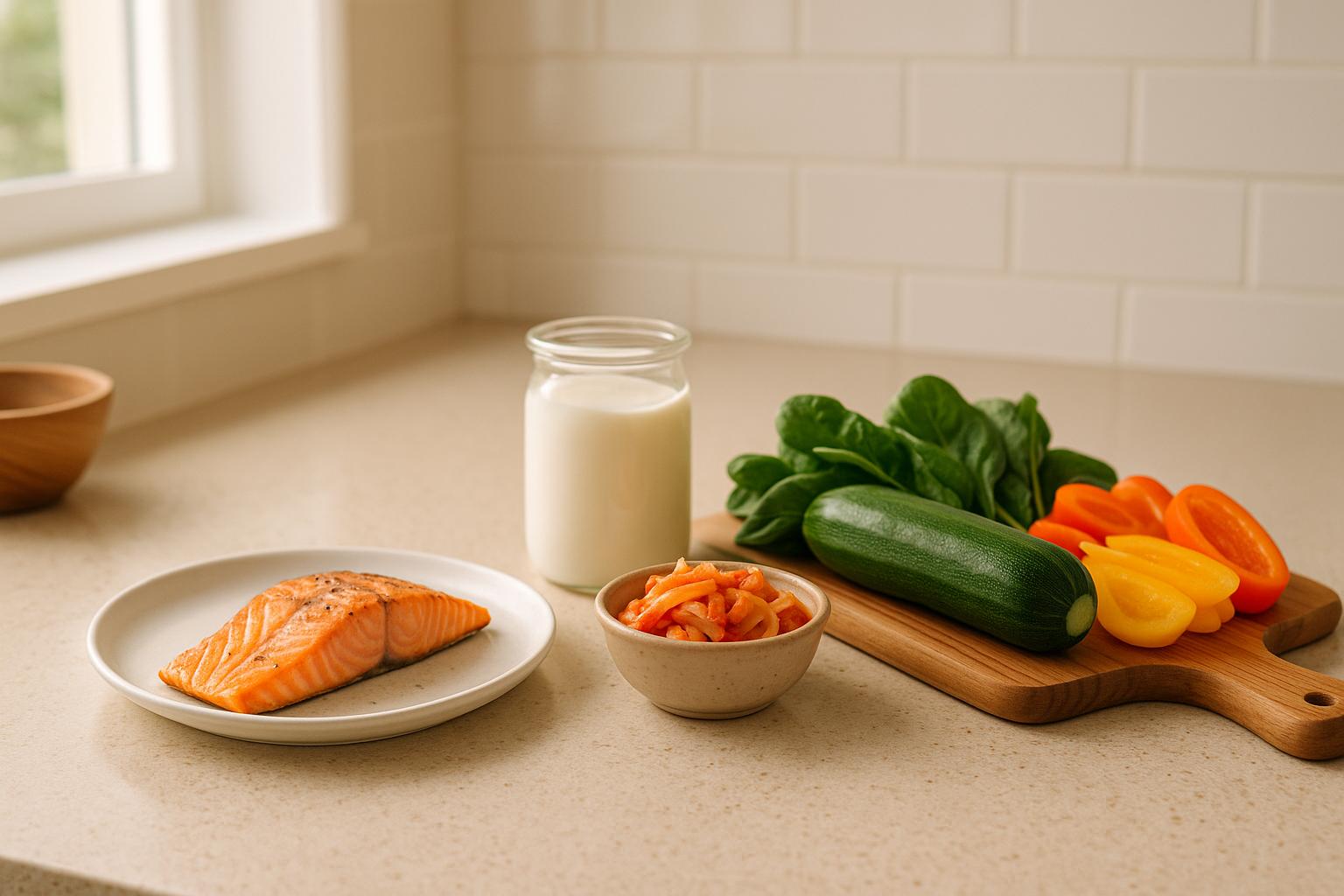
Fatty fish like salmon, sardines, mackerel, and herring are packed with omega-3s, which are known for their anti-inflammatory properties. These fish are rich in EPA and DHA, two types of omega-3 fatty acids that play a key role in managing IBS symptoms.
Anti-inflammatory Properties
The omega-3s in fatty fish directly address inflammation, a major factor in IBS. Research from Taiwan highlights that people with IBS tend to have lower levels of DHA and omega-3s in their blood compared to those without the condition. This underscores the importance of these nutrients for gut health.
"Omega-3s have polyunsaturated fatty acids (PUFAs) that can positively affect the microbiome by increasing the production of many anti-inflammatory compounds like short chain fatty acids."
- Morgan Allyn Sendzischew Shane, MD, Assistant Clinical Professor, University of Miami Miller School of Medicine
For comparison, raw pink salmon contains 419 milligrams of EPA and 586 milligrams of DHA per 100 grams, while ground beef contains none. This makes fatty fish an excellent source of anti-inflammatory nutrients.
Gut Health Benefits
Omega-3s from fatty fish help strengthen the intestinal lining, creating a barrier that protects against harmful bacteria and reduces the risk of conditions like leaky gut syndrome. They also promote the growth of beneficial gut bacteria, contributing to a more balanced microbiome.
A study in Scientific Reports examined data from 876 middle-aged and older female twins and found a strong link between higher omega-3 intake and a healthier gut microbiome. Another study from 2017 revealed that higher omega-3 levels in the blood were associated with increased bacterial diversity in the gut, which is crucial for overall gut health. Together, these benefits can significantly ease IBS symptoms.
IBS Symptom Relief
The anti-inflammatory properties of omega-3s can help reduce common IBS symptoms like bloating, gas, and abdominal pain, while also supporting smoother digestion. Additionally, omega-3s improve the absorption of fat-soluble vitamins like A, D, E, and K, enhancing both nutrient uptake and gut health.
Adding Fatty Fish to Your Diet
Fatty fish are naturally low in FODMAPs, making them a perfect fit for an IBS-friendly diet. The NIH recommends adults consume at least 8 ounces of fish per week, ideally spread over two servings, with one serving being an oily fish.
Opt for low-mercury, omega-3-rich options like salmon, sardines, anchovies, Pacific oysters, and trout. When preparing fish, cook it to an internal temperature of 145°F. Tinned fish, such as sardines or salmon with edible bones, can provide added calcium and are convenient for quick meals. You can bake, steam, or stir-fry these fish to easily incorporate them into your daily meals.
"I am a big believer in getting what you need from your diet, and most people get their daily recommended dose from dietary sources. A well-balanced diet that contains foods with omega-3’s is far superior to a supplement."
- Morgan Allyn Sendzischew Shane, MD
Studies suggest that omega-3s have a stronger impact on gut health when consumed through food rather than supplements. This makes whole fish an excellent choice for managing IBS naturally and effectively.
2. Fermented Foods and Probiotics
Fermented foods such as kefir, sauerkraut, kimchi, and yogurt can play a key role in managing IBS symptoms. These foods are rich in beneficial bacteria, which help restore balance to an imbalanced gut microbiome – a common issue for many IBS sufferers. Research shows that up to 84% of people with IBS experience small intestine bacterial overgrowth, which often contributes to their discomfort.
Anti-inflammatory Properties
Probiotics, found in fermented foods, are known to help reduce gut inflammation. People with IBS typically have lower levels of beneficial bacteria like Lactobacillus and Bifidobacterium, while harmful bacteria such as Streptococcus, E. coli, and Clostridium tend to thrive. This imbalance can increase inflammation and make the gut more sensitive.
"Probiotics change the bacteria that live in the gut, called the gut microbiome. The hope is that probiotics lead to more beneficial bacteria and fewer harmful ones in the gut and better digestive or overall health."
- Daniel Freedberg, MD, Columbia gastroenterologist
By incorporating fermented foods into your meals, you can encourage the growth of beneficial bacteria, helping to naturally reduce inflammation in your digestive system.
Gut Health Benefits
Fermented foods do more than just introduce good bacteria – they also support your gut in other important ways. They nourish the beneficial bacteria already present, provide protective compounds that enhance gut health, and partially pre-digest sugars, making them easier to tolerate for those sensitive to certain carbohydrates. Additionally, they are packed with protein, fiber, vitamins, minerals, and antioxidants that all contribute to a healthier gut. These qualities make fermented foods an excellent choice for anyone managing IBS.
IBS Symptom Relief
Clinical studies highlight the positive effects of fermented foods on IBS symptoms. For instance, a 2018 study found that participants who added sauerkraut to their diet for six weeks saw significant improvements in symptom severity. Similarly, a 2022 study reported that consuming 210 grams of kimchi daily for 12 weeks helped reduce pain, bloating, and irregularity. Fermented dairy products like yogurt and kefir have also been shown to alleviate flatulence, with reductions between 54% and 71% compared to milk. For those with constipation-dominant IBS (IBS-C), small studies suggest kefir may be particularly helpful. Additionally, a 2000 study by Nobaek et al. demonstrated that IBS patients who consumed a rosehip drink containing L. plantarum experienced less flatulence and abdominal pain, along with better overall gut function over a year-long period. These findings mirror the anti-inflammatory effects seen with omega-3-rich foods, highlighting probiotics’ ability to improve gut health.
Ease of Integration into Your Daily Diet
Adding fermented foods to your diet doesn’t have to be complicated. Start small and gradually increase your intake, paying attention to how your body responds. Variety is key – aim to include different types of fermented foods rather than relying on a single source.
Here are some practical ways to incorporate fermented foods into your meals:
| Fermented Food | How to Include It |
|---|---|
| Kefir & Yogurt | Mix with oats and berries or blend into smoothies. |
| Sauerkraut | Use as a sandwich topping or side dish – stick to low-FODMAP portions. |
| Kimchi | Add to tacos or burgers (note: 75 g can be high-FODMAP). |
| Miso | Stir into soups, dressings, or marinades. |
| Sourdough | Opt for sourdough bread, as its fermentation process lowers FODMAP content. |
When shopping, look for products labeled with "live and active cultures" or "probiotic bacteria", and choose those with minimal additives or preservatives. If you’re following a low-FODMAP diet, keep portion sizes in check, as fermentation doesn’t eliminate all FODMAPs.
"Adding in the right types of food and spacing out (not cutting out) your FODMAP load is often a much more effective way of tackling IBS symptoms."
- Jo Cunningham RD, Gut & IBS specialist dietitian and founder of Green Light Nutrition
3. Low-FODMAP Vegetables That Fight Inflammation
Low-FODMAP vegetables are a game-changer for managing IBS symptoms, especially when paired with other anti-inflammatory foods like fatty fish and fermented products. These vegetables work by reducing fermentable carbohydrates, which can trigger digestive discomfort, while also delivering anti-inflammatory benefits. Research highlights that adopting a low-FODMAP diet can improve or even eliminate symptoms for 70–80% of people with IBS. This makes these vegetables a key part of effective symptom management.
Anti-inflammatory Properties
One major IBS trigger is chronic inflammation in the digestive system. Studies show that this inflammation can worsen symptoms, creating a cycle of discomfort and stress. Low-FODMAP vegetables are particularly helpful here. Leafy greens like bok choy, kale, and spinach are packed with antioxidants and phytonutrients that help reduce inflammation throughout the body, making them a natural fit for an IBS-friendly diet.
Gut Health Benefits
Low-FODMAP vegetables also play an important role in supporting gut health. Because they contain fewer fermentable carbohydrates, they’re easier to digest, reducing the risk of excessive fermentation in the gut. Plus, they’re loaded with essential nutrients that help maintain the intestinal lining and promote a healthy balance of gut bacteria. Recent updates from Monash University (May 2025) expanded the list of low-FODMAP vegetables to include options like cauliflower, red and savoy cabbage, Brussels sprouts, and beetroot in standard serving sizes of about 80 g (roughly 3 oz). This gives IBS sufferers even more choices for managing symptoms while supporting overall gut health.
IBS Symptom Relief
The evidence in favor of low-FODMAP vegetables for IBS relief is compelling. Studies show that a low-FODMAP diet improves symptoms in 76–86% of IBS patients. According to Hazel Galon Veloso, MD, a gastroenterologist at Johns Hopkins:
"The low FODMAP diet is a temporary eating plan that’s very restrictive… It’s a short discovery process to determine what foods are troublesome for you."
By minimizing the fermentation of complex carbohydrates, these vegetables help alleviate bloating, abdominal pain, and gas. Cooking them can make them even easier to digest, further reducing the chance of triggering symptoms. This makes low-FODMAP vegetables an accessible and effective option for daily meals.
Ease of Integration into Daily Diet
Adding low-FODMAP vegetables to your meals doesn’t have to be complicated. Start slowly and aim for variety to get a well-rounded mix of nutrients and anti-inflammatory benefits. Here are some simple ideas:
| Vegetable | Easy Ways to Include |
|---|---|
| Potatoes | Bake, mash, or roast as a hearty side dish |
| Carrots | Enjoy raw or add to soups and stews |
| Bok Choy | Stir-fry with ginger or mix into soups |
| Green Beans | Steam for salads or sauté as a side |
| Spinach | Use fresh in salads or cook into omelets |
| Bell Peppers | Toss into stir-fries or serve raw with dips |
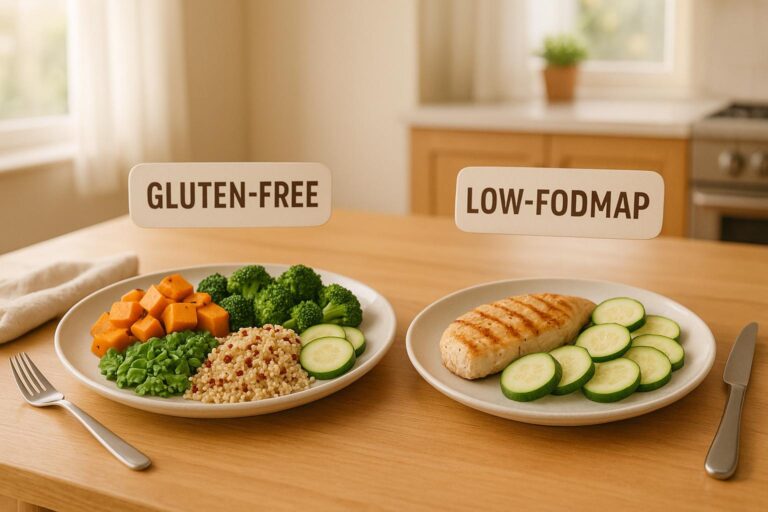
Begin with gentle vegetables like cucumbers, lettuce, zucchini, and tomatoes. As your digestion adjusts, you can introduce more nutrient-rich options like kale and eggplant.
For balanced meals, aim for one-third protein, one-third fruits and vegetables, and no more than one-third starchy carbohydrates. Keep in mind that the low-FODMAP diet is meant to be temporary. Reintroducing foods within 12 weeks is essential to avoid nutrient deficiencies. A registered dietitian can guide you through reintroducing higher-FODMAP vegetables, helping you pinpoint triggers while maintaining variety in your diet.
4. Turmeric and Ginger
As part of an anti-inflammatory diet, turmeric and ginger stand out for their gut-friendly benefits. These spices, long valued in traditional medicine, have gained modern scientific backing for their ability to ease symptoms of IBS. The active compounds – curcumin in turmeric and gingerol in ginger – are known to reduce inflammation and promote digestive health.
Anti-inflammatory Properties
Curcumin, the key compound in turmeric, acts as both an anti-inflammatory and antioxidant. A 2022 review of nine studies highlighted turmeric’s ability to improve abdominal pain and enhance quality of life for IBS sufferers. Similarly, a 2021 review found that 4 out of 7 studies showed positive outcomes from curcumin or turmeric supplements for IBS. Gingerol, found in ginger, also provides pain-relieving benefits. Interestingly, turmeric’s anti-inflammatory effects have been compared to those of medications like ibuprofen and aspirin.
"Curcumin, a substance in turmeric, may help reduce inflammation in the body, so it’s been sold widely as a supplement… It’s also been touted as an antioxidant."
- Krista Kohls, RDN, CD, UnityPoint Health Dietitian
Gut Health Benefits
The benefits of turmeric and ginger extend beyond inflammation. Ginger has been shown to relieve intestinal cramping, prevent indigestion, and reduce bloating and gas. It’s also an effective option for managing nausea, including pregnancy-related nausea, sometimes rivaling anti-nausea medications. Turmeric, meanwhile, has shown promise in easing IBS symptoms and may even help with conditions like ulcerative colitis and Crohn’s disease.
IBS Symptom Relief
Research consistently supports the role of turmeric and ginger in alleviating IBS symptoms. A 2022 study involving 51 participants found that taking 600 mg of curcumin daily improved bloating, abdominal pain, and overall quality of life within 4 to 12 weeks – with no major side effects. Another study from 2018 reported that IBS sufferers who took capsules containing turmeric extract and fennel essential oil for two months experienced significant symptom relief and a better quality of life. Additionally, a 2015 study on Daikenchuto – a Japanese herbal supplement containing ginger, Panax ginseng, and Japanese pepper – showed reductions in indigestion and constipation, further enhancing quality of life.
Adding Turmeric and Ginger to Your Diet
Incorporating turmeric and ginger into your daily meals is simple. Use them fresh, dried, or ground in recipes like teas, soups, or curries. Fresh ginger works well in teas or ginger shots, while turmeric adds flavor and color to soups, curries, and dressings. To maximize turmeric’s benefits, pair it with black pepper (containing 3% piperine), which can boost curcumin absorption by up to 2,000%.
"To get the most out of your turmeric, add 3% black pepper to the mix. Black pepper improves the bioavailability of turmeric, making smaller doses more effective."
- Rosalee de la Forêt, Herbalist
For those who prefer supplements, research suggests optimal doses of ginger root extract range from 1,500 to 2,000 mg daily. Turmeric supplements are commonly taken at 500 mg twice daily to reduce inflammation and pain. The World Health Organization considers a daily intake of up to 3 mg of curcuminoids per kilogram of body weight to be safe.
However, excessive curcumin intake can cause gastrointestinal discomfort or lower blood glucose levels. Always consult your healthcare provider before starting any supplements.
5. Berries and IBS-Friendly Fruits
Beyond the benefits of fish, fermented foods, and low-FODMAP vegetables, certain fruits, particularly berries, can play a helpful role in managing IBS symptoms. Packed with vitamins, minerals, fiber, and antioxidants like anthocyanins and flavonoids, berries offer support for gut health while being gentle on digestion. With 10% to 15% of adults in the U.S. experiencing IBS symptoms, choosing the right fruits can make a big difference.
Anti-inflammatory Properties
Berries owe much of their anti-inflammatory power to compounds like anthocyanins, flavonoids, and polyphenols. These not only protect the gut but also provide heart health benefits. When your gut microbiome breaks down anthocyanins, it enhances their cardioprotective effects, offering a dual benefit for both heart and gut health.
Another advantage of berries is their relatively low fructose content compared to many other fruits. This makes them less likely to trigger IBS-related gastrointestinal symptoms, making them a safe and beneficial choice for many people.
Gut Health Benefits
Berries, such as blueberries, act as prebiotics, encouraging the growth of beneficial gut bacteria. A healthy gut microbiome is key to maintaining a balanced digestive system. Similarly, unripe bananas, which are rich in resistant starch and inulin, also support gut bacteria and help reduce inflammation.
"The best way to eat for the gut is to eat for your gut bugs – the probiotic bacteria that inhabit the gut and regulate a whole bunch of important aspects of gut health, including the pH of the environment inside the large intestine, as well as produce postbiotic nutrients that support the health of the cells of the colon." – Dr. Pedre
Firm, unripe bananas (yellow or green) are low-FODMAP and generally safe for IBS sufferers in small portions, such as 1/3 to 1 medium banana per day. However, ripe bananas contain higher FODMAP levels and may provoke symptoms.
IBS Symptom Relief
A 2023 study in Nutrients highlighted that the nutrient combination in berries – including polyphenols, fiber, and minerals – can help alleviate bloating and improve stool consistency in IBS patients. Additionally, the soluble fiber in IBS-friendly fruits like bananas can soften stools, offering relief from constipation.
"In general, berries are low in fermentable carbohydrates and high in fiber, a dynamic duo that may support IBS symptom relief." – Beth Rosen, M.S., RD, CDN
Low-FODMAP berries such as blueberries, raspberries, and strawberries are particularly effective for managing IBS symptoms.
| Berry Type | FODMAP Level | Daily Serving Recommendation |
|---|---|---|
| Blueberries | Low | 1 cup |
| Strawberries | Low | 1 cup halves |
| Raspberries | Low | 3/4 cup |
| Blackberries | High | Avoid or limit significantly |
| Boysenberries | High | Avoid or limit significantly |
These IBS-friendly fruits work well alongside other gut-supportive foods, helping to create a balanced and manageable diet.
Ease of Integration into Daily Diet
Incorporating berries into your meals is easy and versatile. For a gut-friendly breakfast, blend them into a smoothie with yogurt, almond milk, and nut butter, or mix them into overnight oats with chia seeds and almond milk.
For snacks or meals, sprinkle fresh berries over salads for a burst of flavor and antioxidants, or make a low-FODMAP berry jam to spread on oatmeal or gluten-free bread. Frozen berries are just as handy – they can be added to smoothies, baked into crisps, or even used as ice cube replacements in drinks.
"Oranges and most other citrus fruits are low-FODMAP, widely available year-round and rich in vitamin C and antioxidants. They’re also less likely to cause fermentation in the gut compared to high-FODMAP fruits, making them a refreshing and nutrient-dense choice." – Jessie Wong, M.Acc., RDN, LD
While berries are generally IBS-friendly, portion control is key. Even low-FODMAP fruits can cause digestive discomfort if eaten in excess. Start with small amounts, such as 1/3 to 1 unripe banana or a cup of berries, and adjust based on your tolerance.
6. Nuts and Seeds for Gut Health
Adding nuts and seeds to an IBS-friendly diet can offer a wealth of benefits. Packed with protein, healthy fats, and fiber, they can help support gut health when eaten in moderation.
Anti-inflammatory Properties
Nuts and seeds are rich in unsaturated fats and antioxidants, which can help reduce inflammation throughout the body. To get the most out of these benefits, stick to raw options when possible, as roasted varieties may contain saturated or trans fats that could promote inflammation.
Walnuts, for instance, are a great choice. They’re a natural source of plant-based omega-3 fatty acids, known for their inflammation-fighting properties. Seeds like flaxseeds and chia seeds go even further, offering two to three times the ALA (alpha-linolenic acid) content found in walnuts. These omega-3s play a key role in reducing gut inflammation, making them a smart addition to your diet.
"Seeds have mostly healthy fats, some fiber, and about 150 calories per ounce. And they do have protein, about 5 to 9 grams per ounce. Flaxseeds and chia seeds are also good sources of plant-based omega-3 fatty acids, with two or three times the ALA of walnuts." – Kathy McManus, Registered Dietitian and Director of the Department of Nutrition at Harvard-affiliated Brigham and Women’s Hospital
Gut Health Benefits
The fiber in nuts and seeds is essential for healthy digestion, but the type and amount are particularly important for managing IBS. For example, chia seeds and flaxseeds are especially helpful for constipation-predominant IBS (IBS-C). When mixed with liquid, they form a gel-like consistency that softens stools.
If tough seeds are hard to digest, try grinding or toasting them. Pumpkin seeds, in particular, are a nutritional powerhouse, providing 23% of the daily iron and 37% of the daily magnesium in just a 1-ounce (28g) serving.
The combination of fiber and omega-3s in these foods not only supports digestion but also helps alleviate IBS symptoms.
IBS Symptom Relief
To manage IBS symptoms, it’s important to choose nuts and seeds that are low in FODMAPs. Good options include walnuts, pine nuts, Brazil nuts, and pecans. Higher-FODMAP choices, like almonds and hazelnuts, should be limited to about 10 nuts per serving. For those with diarrhea-predominant IBS (IBS-D), moderation is key, as the insoluble fiber in nuts and seeds can worsen symptoms if consumed in large amounts.
| Nut/Seed Type | Low-FODMAP Serving Size | Key Benefits |
|---|---|---|
| Walnuts | 10 walnut halves | High in omega-3s |
| Brazil Nuts | 10 nuts | Rich in selenium |
| Pine Nuts | 1 tablespoon | Nutrient-dense and low in FODMAPs |
| Pecans | 10 pecan halves | Rich in healthy fats |
| Pumpkin Seeds | Up to 3.5 oz (100g) | High in iron and magnesium |
| Chia Seeds | Up to 4 tbsp (48g) | Forms a soft gel for IBS-C |
| Flaxseeds | Up to 1 tbsp (15g) | Anti-inflammatory omega-3s |
| Hemp Seeds | Up to 1.8 oz (50g) | Complete protein source |
Seeds often come with the added benefit of being more affordable than nuts, making them a budget-friendly way to enhance your nutrient intake while keeping IBS symptoms in check.
Easy Ways to Add Them to Your Diet
Incorporating nuts and seeds into your daily meals is simple. Toast seeds in a dry pan and sprinkle them over salads or soups for extra crunch. Ground seeds can be mixed into yogurt with fruit for a satisfying snack.
"In just a handful of nuts, which is about an ounce or a quarter of a cup, you get a lot of bang for the buck. They contain anywhere from 3 to 7 grams of protein per ounce, 1 to 3 grams of fiber, and 160 to 200 calories." – Kathy McManus, Registered Dietitian and Director of the Department of Nutrition at Harvard-affiliated Brigham and Women’s Hospital
For breakfast, try adding chia seeds or ground flaxseeds to oatmeal or smoothies. The Australian Dietary Guidelines suggest consuming 30 grams of nuts on most days as part of a healthy adult diet. If whole nuts and seeds feel too heavy, unsweetened and unsalted nut butters or tahini can be gentler alternatives.
Simple preparation methods not only make these foods easier to digest but also ensure you retain their nutritional benefits. Whether you’re dealing with IBS-C or IBS-D, choosing the right nuts and seeds and eating them mindfully can go a long way in supporting your digestive health.
sbb-itb-f98f348
7. Anti-Inflammatory Whole Grains
Whole grains can be a great addition to an IBS-friendly diet if chosen wisely. Packed with nutrients and fiber, they offer unique benefits for gut health and help reduce inflammation.
Anti-inflammatory Properties
Whole grains are rich in phytonutrients – natural plant compounds that actively combat inflammation. These compounds may also lower the risk of chronic conditions like heart disease, diabetes, and certain cancers:
"You also get phytonutrients: plant-based compounds that can reduce inflammation and may lower your chances of developing heart disease, diabetes and even some kinds of cancer." – Ashli Greenwald, M.S., R.D., L.N.
Research highlights the benefits of swapping refined grains for whole grains. Studies show that women who ate more whole grains had a lower risk of dying from inflammation-related illnesses. Unlike refined grains, which lose vital parts during processing, whole grains retain the bran and germ. These components are rich in B vitamins and essential minerals like iron, zinc, magnesium, and copper.
Gut Health Benefits
Whole grains support gut health through their fiber content. Soluble fiber nourishes good gut bacteria, while insoluble fiber adds bulk to stool, promoting regular bowel movements – especially helpful for those dealing with IBS-C (constipation).
Even small amounts of fiber can make a difference. For instance, just 6 grams of wheat bran (around two tablespoons) daily can improve gut microbiota diversity. Long-term studies also show that 8 grams of wheat bran per day can lead to increased microbial diversity and beneficial changes in gut health.
IBS Symptom Relief
Managing IBS symptoms with whole grains requires a thoughtful approach. Soluble fiber, found in grains like oats, is particularly effective for easing symptoms like constipation. On the other hand, the outer layers of whole grains contain FODMAPs, which can trigger symptoms for some individuals. To minimize discomfort, start with small portions – about 2–3 grams daily – and gradually increase as your body adjusts.
Here’s a quick guide to IBS-friendly grains:
| Grain Type | IBS Tips | Best For |
|---|---|---|
| Oats | High in soluble fiber; generally well-tolerated | IBS-C (constipation) |
| Brown Rice | Low FODMAP and easy to digest | Most IBS types |
| Quinoa | Gluten-free and a complete protein source | Gluten-sensitive IBS |
| Buckwheat | Gluten-free and anti-inflammatory | IBS with gluten sensitivity |
Ease of Integration into Daily Diet
Incorporating whole grains into your meals can be simple. Replace white bread with whole grain options, swap white rice for brown rice, and trade sugary cereals for oats. Try to include whole grains in at least one meal a day. For example, have porridge or whole grain toast for breakfast, a wholemeal wrap or soup with a whole grain roll for lunch, and a stir-fry with buckwheat noodles or a salad with brown rice for dinner.
"Whole grains, as they’re grown in the ground, are full of nutrients. They can contain several B vitamins and trace minerals, such as iron, zinc, magnesium and copper. Some whole grains are good sources of protein." – Ashli Greenwald, M.S., R.D., L.N.
Meal prepping can make it even easier. Cook extra batches of quinoa, barley, brown rice, or bulgur wheat, and freeze portions for future meals. You can also boost the fiber content of soups and stews by adding half a cup of uncooked barley or bulgur.
Most adults in the 19–50 age range consume only about 0.61 ounce equivalents of whole grains per day – far below the recommended three ounce equivalents. This gap presents a great opportunity to improve both inflammation levels and digestive health.
8. Prebiotic Foods for Gut Balance
Including prebiotic foods in an anti-inflammatory diet can play a big role in managing IBS symptoms. These foods act as fuel for beneficial gut bacteria, helping reduce inflammation and improve gut health. Unlike probiotics, which are live bacteria, prebiotics are plant fibers that your body doesn’t fully digest. Instead, they ferment in the colon, nourishing helpful microorganisms and supporting gut balance. This makes them a valuable addition to other strategies for reducing inflammation.
Anti-inflammatory Benefits
When gut bacteria break down prebiotics, they produce short-chain fatty acids (SCFAs). These compounds help regulate gut pH and immune responses, reducing inflammation and supporting overall gut health. SCFAs also strengthen the gut lining by boosting secretory IgA levels, which act as a protective barrier. Studies suggest that prebiotics can improve calcium absorption, stabilize blood sugar levels, enhance immune function, and even lower the risk of colorectal cancer.
Supporting Gut Health in IBS
For those with IBS, prebiotics are particularly helpful in promoting the growth of beneficial bacteria like Bifidobacteria, which are often lower in individuals with IBS. Research shows that prebiotics can restore bacterial balance and improve gut health. However, not all prebiotics are created equal when it comes to IBS. For example, inulin-type fructans might not relieve abdominal pain or bloating and could worsen gas. On the other hand, prebiotics like galacto-oligosaccharides, partially hydrolyzed guar gum, and pectin are generally better tolerated and may ease symptoms such as bloating, abdominal pain, and flatulence.
Managing IBS Symptoms with Prebiotics
For people with IBS, smaller doses of prebiotics are usually more effective and less likely to cause discomfort. Consuming large amounts can lead to gas and bloating, so starting with a low dose is key. Research suggests that inulin-type fructans are better tolerated in doses under 6 grams per day. Gradually increasing the amount allows you to assess your tolerance while avoiding unnecessary discomfort. Including prebiotics as part of a daily routine can help maintain gut health and keep IBS symptoms in check.
Adding Prebiotics to Your Diet
Introducing prebiotics into your diet doesn’t have to be complicated. Foods like garlic, onions, bananas, Jerusalem artichokes, soybeans, asparagus, wheat, and whole grains are all good sources. Steel-cut oats are another excellent option, as their soluble fiber supports SCFA production and can improve stool consistency. Bananas, especially when slightly green, are a gentle choice that many people with IBS tolerate well.
Start small – try half a banana or a tablespoon of oats – and increase gradually to avoid bloating or gas. If you’re considering a prebiotic supplement, begin with a very low dose, such as half a capsule, and monitor how your body reacts over a few weeks. Consistency is more important than quantity, so focus on incorporating prebiotics into your daily meals. Whether it’s a morning bowl of oats, a banana snack, or a flavorful dinner with garlic and onions, these small changes can make a big difference in maintaining gut health without triggering IBS symptoms.
9. DigestiveBoost GutOptim Supplement
When dietary changes alone don’t alleviate IBS symptoms, DigestiveBoost GutOptim steps in with a powerful combination of probiotics, prebiotics, and digestive enzymes. This synbiotic supplement is designed to address the chronic inflammation often linked to IBS symptoms, providing targeted relief for those in need of extra support.
Anti-inflammatory Support
GutOptim is formulated to tackle chronic inflammation, a critical factor since about 70–80% of the body’s immune cells are located in the gut. By balancing the gut microbiome, promoting short-chain fatty acid production, and reducing inflammation, this supplement offers essential benefits for those managing IBS.
Benefits for Gut Health
Designed for daily use, GutOptim supports smooth and regular digestion while helping to restore the balance of gut bacteria often disrupted in IBS sufferers. It’s non-GMO, GMP-certified, and has earned a 4.1-star rating from 37 users, many of whom have reported better nutrient absorption and improved digestive health.
Relief from IBS Symptoms
According to user feedback, GutOptim effectively eases bloating, gas, and general digestive discomfort. Its ability to enhance enzyme activity and support gut balance makes it a go-to choice for lasting symptom relief.
Simple to Incorporate into Your Routine
Adding GutOptim to your daily routine is straightforward: take one serving 30–60 minutes before a meal or 2 hours after eating. Start with one dose per day and gradually increase to a maximum of three doses. To see results, use the supplement for at least four weeks, with optimal benefits typically achieved after 12 weeks. Pairing GutOptim with an anti-inflammatory diet can further enhance its effectiveness. Always consult a doctor or dietitian before beginning any new supplement regimen.
10. Simple Meal Planning for IBS
Creating an effective meal plan for IBS starts with small, manageable changes and a focus on whole, easy-to-digest foods. Liz Moore, a Registered Dietitian at Harvard-affiliated Beth Israel Deaconess Medical Center, advises:
"Start by slowly making changes so that these become more of a lifestyle shift rather than ‘going on a diet.’ Try to eat fewer foods that come from packages and more that come from the ground."
Focus on Anti-inflammatory Foods
Building meals around anti-inflammatory ingredients can make a big difference. Opt for unprocessed foods without added sugars, such as fruits, vegetables, whole grains, legumes, fish, poultry, nuts, seeds, low-fat dairy, and olive oil. Swap refined carbs for whole grains and replace unhealthy fats with better options like olive, canola, or avocado oil. Gradually cutting back on inflammation-triggering foods and sugary drinks in favor of water, herbal tea, or unsweetened coffee can help your digestive system adjust over time. This shift not only supports gut health but also encourages smoother digestion.
Supporting Gut Health
How you eat matters just as much as what you eat. Eating three balanced meals a day allows your gut to process food more efficiently. Soluble fiber plays a key role in managing IBS symptoms. Foods like oats, nuts, seeds, avocados, bananas, sweet potatoes, carrots, and eggplant are excellent sources. For those dealing with IBS-related diarrhea, soluble fiber from fruits, vegetables, beans, and oats can be especially helpful.
Managing IBS Symptoms
A low-FODMAP diet can be an effective tool for pinpointing and managing specific trigger foods. Dr. Ali Rezaie, medical director of gastrointestinal motility at Cedars-Sinai Medical Center, suggests:
"The first thing to try is a low-FODMAP diet."
Cooking methods also matter – steaming, sautéing, or roasting can make meals easier to digest. If lactose intolerance is a concern, switching to lactose-free dairy or plant-based alternatives can provide relief.
Making IBS-Friendly Eating Work for You
Structured meal planning can simplify IBS management and make it easier to stick to a gut-friendly diet. Leslie Bonci offers a practical approach:
"One-third of your plate should be protein, and keep at least one-third for fruits and vegetables. And, no more than one-third should be starchy carbs… It only differs from a regular plate in that the types of these fruits, vegetables and starches might be different."
Here’s an example of how an IBS-friendly day might look:
| Meal | IBS-Friendly Ideas | Key Benefits |
|---|---|---|
| Breakfast | Mixed berries oatmeal with lactose-free milk | Low-FODMAP; provides soluble fiber |
| Lunch | Avocado and sprout sandwich on gluten-free bread | Healthy fats; easy digestion |
| Dinner | Garlic butter-roasted salmon with potatoes & asparagus | Omega-3s; anti-inflammatory |
| Snack | Handful of almonds (limit 10) | Fiber; protein; healthy fats |
Tracking your meals and symptoms in a food diary can help identify patterns and refine your diet. Preparing meals at home gives you greater control over ingredients. Reducing alcohol intake – about one drink per day for women or two for men – along with using non-dairy milk and low-FODMAP sweeteners in your coffee or tea, can further support your gut health.
This flexible approach isn’t about cutting out entire food groups forever. Instead, it’s about finding what works best for your digestion while still enjoying the benefits of anti-inflammatory foods for overall gut health.
Conclusion
Following an anti-inflammatory diet is a well-supported way to help ease IBS symptoms. Studies show that people with IBS often have higher levels of inflammation, and adding nutrient-rich, anti-inflammatory foods to your meals can help manage these symptoms effectively. These foods not only nourish your body but also fuel the beneficial bacteria in your gut.
As we’ve discussed, foods like omega-3-rich fish and fiber-packed berries do more than just fight inflammation – they also boost short-chain fatty acid (SCFA) production. SCFAs are crucial for maintaining a healthy gut microbiome and controlling inflammation. According to UMassMed.edu:
"Together, the foods in this diet decrease bowel inflammation, aid in the repair of the gut, and help to restore balance to the immune system."
Pairing an anti-inflammatory diet with other healthy habits – like stress management, regular exercise, quality sleep, and staying hydrated – can further enhance gut health.
Since everyone’s response to food can differ, keeping a food diary can be incredibly useful. Tracking your meals and symptoms allows you to identify specific triggers and figure out which foods work best for your body. This personalized approach can make a big difference in managing IBS.
In fact, a 2023 study on the Mediterranean diet found that participants reported better gastrointestinal health, fewer depressive symptoms, and an improved overall quality of life.
FAQs
How can an anti-inflammatory diet help relieve IBS symptoms?
How an Anti-Inflammatory Diet Can Help with IBS
Following an anti-inflammatory diet can be a game-changer for managing IBS symptoms. By focusing on foods that reduce inflammation in the gut, this approach supports a healthier gut microbiome and may help ease issues like bloating, abdominal pain, and irregular bowel movements.
The foundation of this diet includes nutrient-dense foods such as fruits, vegetables, whole grains, and healthy fats. These foods are packed with omega-3 fatty acids, antioxidants, and polyphenols – all known for their inflammation-fighting properties. Adding probiotics and prebiotics to your meals can further promote a balanced gut by encouraging the growth of beneficial bacteria, which plays a key role in digestion and overall gut health.
Equally important is steering clear of processed and inflammatory foods, as they can disrupt the gut and worsen IBS symptoms. By prioritizing whole, nourishing ingredients, you can take meaningful steps toward reducing discomfort and improving your digestive health.
How can I add anti-inflammatory foods to my daily meals to help manage IBS symptoms?
Adding foods that fight inflammation to your daily diet can be an easy and effective way to manage IBS symptoms. Start with low-FODMAP fruits and vegetables like carrots, spinach, zucchini, and strawberries. These options are gentle on your digestive system and can help calm inflammation. To boost both flavor and gut health, try incorporating spices like turmeric and ginger into your meals.
Planning and preparing meals ahead of time can make this even simpler. Focus on balanced dishes featuring staples like quinoa, brown rice, and lean proteins such as chicken, turkey, or fish. These ingredients are not only soothing for IBS but also support overall digestive health. Additionally, eating smaller, more frequent meals throughout the day can help prevent digestive overload and keep symptoms under control.
What should I know before starting an anti-inflammatory diet for IBS?
Starting an anti-inflammatory diet for IBS can help manage symptoms, but it’s important to approach it thoughtfully. Shifting to a new way of eating might initially feel limiting, which could bring about stress or anxiety when deciding what to eat. These feelings can sometimes impact both mental health and digestion.
Another thing to watch out for is introducing new foods too fast or eating items that don’t agree with you. This could lead to temporary digestive upset. To minimize this, make gradual changes and pay close attention to how your body reacts.
For a more tailored approach, working with a healthcare provider can be a game-changer. They can help you identify your specific triggers and create a plan that’s both balanced and manageable for improving your gut health over time.