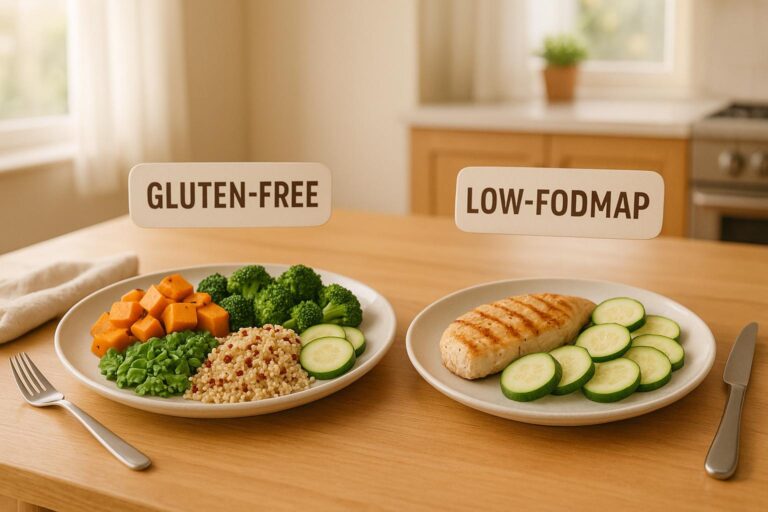


Your gut microbiome and digestive enzymes are a powerhouse team for digestion and health. The microbiome produces enzymes that break down complex nutrients your body can’t process alone, while digestive enzymes handle basic macronutrients like carbs, proteins, and fats. Together, they improve nutrient absorption, energy production, and immune system support.
Key Takeaways:
- Microbiome’s Role: Trillions of microorganisms in your gut produce enzymes to digest complex fibers, polyphenols, and vitamins.
- Digestive Enzymes: Proteins like amylase, protease, and lipase break down food into absorbable nutrients.
- Health Benefits: Improved digestion, better vitamin absorption (B1, B9, B12, K), reduced inflammation, and a stronger immune system.
- Diet Impact: Fiber, plant-based foods, and prebiotics promote a healthier microbiome. Processed foods and low-fiber diets can harm it.
- Supplements: Digestive enzymes, probiotics, and prebiotics can enhance gut health and enzyme activity.
Quick Tip: To support your microbiome, eat a diverse, fiber-rich diet, stay hydrated, and manage stress. Supplements can help but consult a healthcare provider first.
Dr Chutkan Discusses Gut Bacteria and Digestive Enzymes on the Dr. Oz Show

How the Microbiome Controls Digestive Enzymes
The interplay between gut bacteria and digestive enzymes is a fascinating example of biological teamwork. Your gut microbiome doesn’t just assist with digestion – it actively influences how digestive enzymes function. These microbes produce their own enzymes, adapt to dietary changes by sharing genes, and create compounds that promote digestive health.
Microbial Enzymes: The Gut’s Hidden Helpers
The bacteria in your gut are like tiny enzyme factories, producing substances your body can’t make on its own.
"A microbial enzyme refers to an enzyme produced by microorganisms like bacteria, which aids in biochemical reactions within the host cells. These enzymes play a crucial role in breaking down complex compounds in human food, enhancing digestion, and improving the utilization of nutrients." – ScienceDirect
Unlike the enzymes produced by your pancreas – such as amylase, protease, and lipase, which handle basic macronutrients – microbial enzymes tackle the tough stuff. They break down complex carbohydrates, proteins, plant polyphenols, bile acids, and even vitamins. In the large intestine, bacterial enzymes transform dietary carbohydrates into short-chain fatty acids (SCFAs) and gases. These SCFAs are not just byproducts; they play a vital role in fueling colon cells and supporting overall gut health.
Two key bacterial families, Bacteroidetes and Firmicutes, dominate the gut microbiome, making up over 90% of its population. These groups are central to enzyme production. For instance, a study showed that glucose oxidase improved growth and immune function in ducks infected with E. coli, while also altering their gut microbiota. This highlights how microbial enzymes can influence digestion and even provide protective benefits.
How Gut Bacteria Adapt to Your Diet
Gut bacteria are remarkably adaptable, thanks to their ability to share genes. This process, called horizontal gene transfer, allows them to quickly acquire new enzymatic tools to break down unfamiliar foods. Research shows that bacterial metabolism can shift rapidly based on the available nutrients. This helps explain why different populations around the world can digest foods that might initially seem challenging.
Dietary fiber is a major driver of this adaptation. Different types of fiber are broken down by specific gut bacteria, each equipped with unique enzymes. For example, maize bran requires different bacterial enzymes for breakdown compared to wheat bran. Interestingly, dietary changes can lead to quick shifts in the microbiome. In healthy individuals, switching to a high-fat, high-protein, low-fiber diet can reduce gut microbiota diversity in just one day. During low-fiber periods, bacteria like Akkermansia muciniphila and Bacteroides caccae thrive, while fiber-degrading species decline, reflecting changes in enzyme production.
Fermentation: A Key to Digestive Efficiency
Fermentation is another way the microbiome enhances digestion. This process allows gut bacteria to convert undigested food into SCFAs, which not only fuel colon cells but also support overall gut health.
Fermentation involves teamwork among bacterial species. For example, Bifidobacterium longum breaks down fructo-oligosaccharides to produce lactate. Then, Eubacterium hallii steps in to convert that lactate into butyrate, even though it can’t process fructo-oligosaccharides directly. This kind of cooperation showcases the intricate relationships within the microbiome.
Fermentation also impacts bile acid metabolism. Gut bacteria modify bile acids through enzymatic processes, creating a feedback loop that helps with fat digestion and maintains microbial balance. Additionally, some enzymes disrupt harmful microbial communication by degrading signaling molecules, preventing pathogenic bacteria from gaining a foothold. This not only supports digestion but also promotes a healthier gut environment overall.
Health Benefits of Microbiome-Driven Enzyme Activity
The enzymes produced by your gut microbiome do much more than aid digestion. These tiny powerhouses play a key role in breaking down nutrients, maintaining gut health, and supporting your immune system – all of which contribute to better overall health.
Improved Nutrient Absorption and Vitamin Production
Your gut microbiome contains an impressive array of enzymes, powered by around 3 million genes. These enzymes break down complex compounds, unlocking nutrients that your body alone can’t access.
The difference in enzymatic abilities between your body and your microbiome is striking. Certain bacterial species produce far more enzymes than human cells, making nutrient extraction more efficient. This increased enzyme activity doesn’t just improve energy production – short-chain fatty acids provide 6%–10% of your energy needs – but also boosts the absorption of key minerals like calcium, magnesium, and iron.
A fascinating example of this is seen in the diets of children from different regions. African children, whose diets are rich in fiber and polysaccharides, show a higher ratio of Bacteroidetes to Firmicutes in their gut microbiota compared to European children who consume more fat and protein. This microbiota composition in African children is linked to higher levels of bacteria like Prevotella and Xylanibacter, which are associated with greater short-chain fatty acid production.
These processes not only enhance nutrient absorption but also create a gut environment that is better equipped to handle harmful substances.
Maintaining Gut Balance and Neutralizing Harmful Compounds
The enzymes in your gut microbiome also act as a defense system, helping to neutralize harmful substances and maintain intestinal balance. Microbial enzymes can transform toxic compounds into less harmful forms that the body can safely eliminate. This detoxification is especially important given the variety of chemicals, additives, and natural toxins we encounter in everyday foods.
Additionally, microbial enzymes help regulate the gut’s pH by producing acids and other compounds. This creates an environment that supports beneficial bacteria while keeping harmful microbes in check. When this balance is disrupted – known as dysbiosis – it can lead to issues like irritable bowel syndrome (IBS) or inflammatory bowel disease (IBD).
Strengthening the Immune System and Reducing Inflammation
Beyond digestion and detoxification, the enzyme activity of your microbiome plays a vital role in immune support. Microbial enzymes help reduce inflammation by neutralizing reactive oxygen species (ROS) and regulating cytokine activity. Enzymes like superoxide dismutase (SOD) and catalase (CAT) are particularly important for minimizing tissue damage caused by inflammation.
These enzymes also work alongside proteolytic enzymes, which break down inflammatory cytokines and help modulate immune responses. Beneficial gut bacteria further strengthen the immune system by promoting the production of antimicrobial peptides and reinforcing the intestinal barrier through tight junctions.
The growing interest in enzyme-based treatments reflects their potential beyond the gut. In 2023, the global market for therapeutic enzymes was valued at $7.32 billion and is expected to reach $16.75 billion by 2030. As Kannan Badri Narayanan notes:
"Enzyme-based therapeutics have emerged as a promising alternative due to their high specificity, catalytic efficiency, and ability to modulate inflammatory pathways with reduced side effects."
Microbial enzymes also influence immune cells like dendritic cells, helping the body respond appropriately to pathogens while avoiding overreactions to harmless substances. This highlights the importance of maintaining a healthy gut microbiome through smart dietary and lifestyle choices, as these can shift your microbiota toward a balance that supports strong immune function.
sbb-itb-f98f348
Factors That Affect Microbiome and Enzyme Function
Your gut microbiome and its enzyme production are influenced by a variety of factors, all of which play a role in digestion and overall health.
Diet Choices and Their Impact
What you eat significantly shapes the composition of your gut microbiota and its enzyme activity. The human gut is home to roughly 3.8 × 10¹³ microbes, with about 60% belonging to the Bacteroidetes and Firmicutes phyla .
Macronutrients are especially impactful. Studies on high-fat diets, for instance, show a decrease in Bacteroidetes and an increase in Firmicutes and Proteobacteria populations. This shift is often linked to reduced microbial diversity. On the other hand, dietary fiber plays a critical role in sustaining a healthy and diverse microbiota. The effects of fiber depend on its fermentability, and a diet low in fiber can reduce populations of beneficial microbes.
Protein intake also matters. Animal proteins are highly digestible (over 90%), while plant proteins fall between 70% and 90%. The total amount of protein consumed affects how much reaches the colon for fermentation. Diets typical of Western countries – high in fat and protein but low in fiber – are associated with decreased microbial diversity and an increased risk of chronic inflammatory conditions.
To promote a healthier gut, increase your fiber intake and include probiotic-rich foods like kefir, yogurt with live cultures, pickled vegetables, tempeh, kombucha, kimchi, miso, and sauerkraut. Be cautious, though: a sudden increase in fiber or prebiotic foods can cause gas and bloating, particularly if you have a sensitive digestive system. Next, we’ll explore how supplements can further support enzyme production.
How Supplements Affect Enzyme Production
Supplements can help enhance your microbiome’s enzyme function. Digestive enzyme supplements, for example, address enzyme deficiencies caused by stress, aging, or chronic conditions. These supplements typically include enzymes like amylase, protease, and lipase, which aid in breaking down food.
Probiotic supplements, on the other hand, provide long-term benefits by fostering a gut environment that supports digestion, nutrient absorption, and immune health. They can enhance the activity of your gut’s microbial communities by competing for nutrients, producing helpful substrates or inhibitors, and influencing intestinal immunity. For optimal results, choose multi-strain probiotics with clinically studied strains such as Lactobacillus acidophilus, Bifidobacterium longum, and Saccharomyces boulardii. In some cases, such as managing irritable bowel syndrome, a combination of digestive enzymes and probiotics may offer the best support. Synbiotics – products that combine probiotics and prebiotics – also show promise in improving digestive efficiency.
When selecting supplements, prioritize high-quality, third-party-tested products that offer the right dosage, a variety of strains, and additional ingredients like prebiotics. But supplements are only part of the picture – lifestyle choices also play a key role in gut health.
Lifestyle and Environmental Effects
Your daily habits and environment can significantly influence gut microbiota function. Quality sleep (7–8 hours per night) and regular exercise are essential for maintaining a healthy gut. Poor sleep, for example, is linked to a reduction in beneficial gut bacteria and metabolic changes.
Sleep deprivation can also lower the production of short-chain fatty acids and bile acids while weakening the intestinal barrier. Conversely, regular exercise is associated with greater microbial diversity and increased production of beneficial metabolites. In men with prediabetes, exercise-induced changes in the microbiome were linked to improved glucose regulation and insulin sensitivity.
Stress is another important factor. It can disrupt gut health by altering gastrointestinal motility, increasing intestinal permeability, and upsetting the balance of your microbiota. To support enzyme production and overall gut function, focus on managing stress, maintaining consistent sleep patterns, and staying physically active.
Ways to Support Microbiome-Driven Enzyme Activity
If you’re looking to boost your gut’s enzyme activity, there are practical steps you can take. From tweaking your diet to incorporating supplements and daily habits, these strategies can help maintain a thriving microbiome.
Diet Changes for Better Microbiome Health
What you eat has a direct impact on your gut microbiome and its ability to produce enzymes. Making thoughtful food choices can go a long way in improving your digestive health.
- Increase fiber intake: Aim for at least 25 grams of fiber daily if you’re a woman, or 30 grams if you’re a man. Add plenty of vegetables, beans, legumes, fruits, whole-grain breads and cereals, nuts, and seeds to your meals to give your gut bacteria the nutrients they need to thrive.
- Include prebiotic-rich foods: Foods like leeks, onions, garlic, chickpeas, beans, lentils, rye bread, barley, oats, pistachios, cashews, and almonds help nourish the bacteria responsible for enzyme production.
- Diversify your plants: Research suggests that eating at least 30 different plant-based foods per week promotes a more diverse and robust gut microbiome.
- Add polyphenol-rich foods: Spices, herbs, colorful fruits and vegetables, tea, coffee, cocoa, dark chocolate, nuts, and seeds can support the growth of beneficial bacteria that aid enzyme production.
- Cut back on ultra-processed foods: Reducing your intake of deli meats, packaged snacks, sweet desserts, and ready-made meals can help maintain a balanced microbiome.
- Chew your food thoroughly: Eating slowly and chewing well not only improves digestion but also supports your body’s natural enzyme production.
Using DigestiveBoost Supplements for Digestive Support
While diet lays the groundwork, supplements can provide an extra boost to your gut’s enzyme activity.
- Try DigestiveBoost’s GutOptim: This supplement combines prebiotics, digestive enzymes, and probiotics to support enzyme production. It works on multiple levels by feeding good bacteria, offering direct enzyme support, and introducing beneficial microorganisms.
- Probiotic supplements: These can enhance your microbiome by introducing helpful bacteria that complement your existing gut flora. They can improve digestion, balance bacteria, and even support your immune system.
- Prebiotic fiber supplements: These act as food for your gut bacteria, encouraging them to grow and produce more enzymes.
- Multi-enzyme formulations: These supplements provide a range of enzymes to improve digestion and nutrient absorption. Studies show they can also help maintain a balanced intestinal microbiome.
Before starting any supplement, consult your healthcare provider to ensure it’s right for you.
Daily Habits for Long-Term Gut Health
Small lifestyle changes can make a big difference in supporting your gut microbiome and enzyme production over time.
- Stay hydrated: Drinking enough water throughout the day aids digestion, prevents constipation, and may even promote bacterial diversity.
- Exercise regularly: Physical activity, especially cardiovascular exercises like walking and cycling, can stimulate gut muscle activity and encourage the growth of beneficial bacteria. Aim for at least 30 minutes of movement daily.
- Get quality sleep: Strive for 7–8 hours of good sleep each night. Sleep disruptions can negatively affect your gut bacteria and enzyme production.
- Manage stress: Chronic stress can interfere with gut health and enzyme production. Incorporate relaxation techniques like deep breathing, maintain social connections, and ensure you get enough rest.
- Chew your food well: This simple habit not only improves digestion but also allows your body’s natural enzymes to work more effectively.
"Everything you eat and drink, how much you move, this all shapes your gut microbiome." – Dr. Rachel Schiesser, Gastroenterologist at Houston Methodist
Pay attention to how your body responds to these changes and adjust as needed. Over time, these efforts can lead to better digestion, improved nutrient absorption, and an overall sense of well-being.
Key Points About Microbiome-Driven Enzyme Activity
Your gut microbiome plays a central role in digestive health, thanks to the enzymes it produces. These tiny organisms and their enzymatic functions influence everything from how your body absorbs nutrients to how well your immune system performs.
The gut microbiome is a powerful enzyme factory. With around 3 million genes, the bacteria in your gut produce an array of enzymes that your body alone can’t supply. Two key bacterial groups, Bacteroidetes and Firmicutes, work together to break down complex molecules that would otherwise leave your system untouched.
Microbial enzymes go beyond digestion. These enzymes don’t just break down food – they also regulate the gut environment. By influencing pH levels, disrupting harmful bacterial communication, and keeping your intestinal community balanced, they play a vital role. On top of that, they produce short-chain fatty acids, which fuel intestinal cells and influence metabolism. This biochemical activity also helps prepare your body for strong immune responses.
They also shape immune health and adapt to daily habits. Microbial enzymes regulate immune activity by managing cytokines and antimicrobial peptides. What you eat and how you live directly impact this balance, showing how interconnected your daily choices are with gut health.
Targeted interventions make a difference. Research shows that specific enzyme supplements can improve gut health. For instance, glucose oxidase supplementation has been linked to better growth, stronger immune function, and improved intestinal barrier integrity, while positively influencing gut bacteria . Similarly, oral digestive enzyme supplements have been found to boost levels of beneficial bacteria like Akkermansia muciniphila and Lactobacillus reuteri.
FAQs
How does the gut microbiome affect digestive enzyme activity?
The gut microbiome does more than just exist – it actively supports your digestive system by producing enzymes that work alongside those naturally created by your body. These microbial enzymes tackle tough-to-digest components like complex carbohydrates and dietary fibers, breaking them down to improve nutrient absorption and make digestion smoother.
But digestion isn’t its only job. Your gut microbiome also plays a role in producing key vitamins, including B1, B9, B12, and K. By keeping your enzyme activity balanced, a healthy gut microbiome contributes significantly to maintaining overall gut health. In short, fostering a diverse and balanced microbiome can do wonders for your digestion and overall well-being.
What foods and dietary habits can boost enzyme activity in the gut microbiome?
To help your microbiome support enzyme activity, try including more prebiotic-rich foods in your meals. Options like asparagus, garlic, and onions are excellent choices because they feed the beneficial bacteria in your gut, which are key players in enzyme production. Alongside these, adding fermented foods like sauerkraut, yogurt, and kimchi can introduce probiotics that further boost gut health.
Another great strategy is to eat a variety of plant-based foods packed with dietary fiber. This helps maintain a diverse microbiota, which is important for keeping enzyme function at its best. Whole grains, fruits, and vegetables are all fantastic additions to your plate. You can also look to foods like pineapple and bone broth, which naturally contain enzymes that aid digestion and work alongside your microbiome.
Making these dietary changes can go a long way in supporting a healthier gut and better digestion while contributing to your overall wellness.
What supplements can help improve microbiome-driven enzyme activity and support gut health?
Certain supplements can play a big role in supporting enzyme activity driven by the microbiome and promoting gut health. Probiotics and prebiotics are key players in maintaining a healthy balance in your gut microbiome, which, in turn, supports the natural production and function of digestive enzymes. On top of that, digestive enzyme supplements – like bromelain, papain, amylase, and lipase – can directly assist in breaking down food and improving how your body absorbs nutrients.
For an added boost, combining probiotics, prebiotics, and digestive enzymes can create a powerful synergy, working together to enhance digestion and gut function. Including these supplements in your daily routine, alongside eating a balanced diet and embracing a healthy lifestyle, can make a noticeable difference in your digestive health.