
Did you know eating with the seasons can boost your gut health? Seasonal eating means choosing fruits and vegetables harvested at their natural peak, which can improve your gut microbiome diversity, digestion, and overall health. Here’s why it works:
- Gut Microbiome Diversity: Seasonal foods provide a variety of fibers and nutrients that feed different types of gut bacteria, helping them thrive.
- Nutrient Density: Produce harvested in season is richer in vitamins like C and potassium, which often diminish during long shipping and storage.
- Natural Probiotics: Fresh, local produce brings environmental microbes from the soil, acting as natural probiotics for your gut.
- Improved Digestion: Seasonal foods align with your body’s needs – hydrating fruits in summer, fiber-rich greens in spring, hearty vegetables in winter.
Quick Tip: Aim to eat 30 different plant-based foods weekly, including fruits, vegetables, grains, and seeds, to support gut health year-round.
Ready to learn how seasonal eating can transform your gut health? Let’s dive in.
5 Holistic Secrets to Improve Gut Health Naturally + Seasonal Eating Explained
How Seasonal Eating Boosts Gut Microbiome Diversity
Eating seasonally means enjoying a rotating variety of foods throughout the year. This approach not only keeps your meals exciting but also plays a critical role in supporting a healthy gut microbiome. By diversifying your diet, you encourage the growth of a wide range of beneficial bacteria in your digestive system. Each season introduces new foods that provide unique nutrients, creating an environment where different gut microbes can thrive.
Nutrients That Support Gut Health
Seasonal foods are packed with specific fibers and nutrients that nourish distinct bacterial species in your gut. By changing up your diet with the seasons, you naturally enhance microbial diversity. This is key for maintaining a balanced and healthy gut.
"One of the best things we can do for digestive health is to diversify the types of plant-based foods we are eating." – Brooklin White, MS, RD, LD
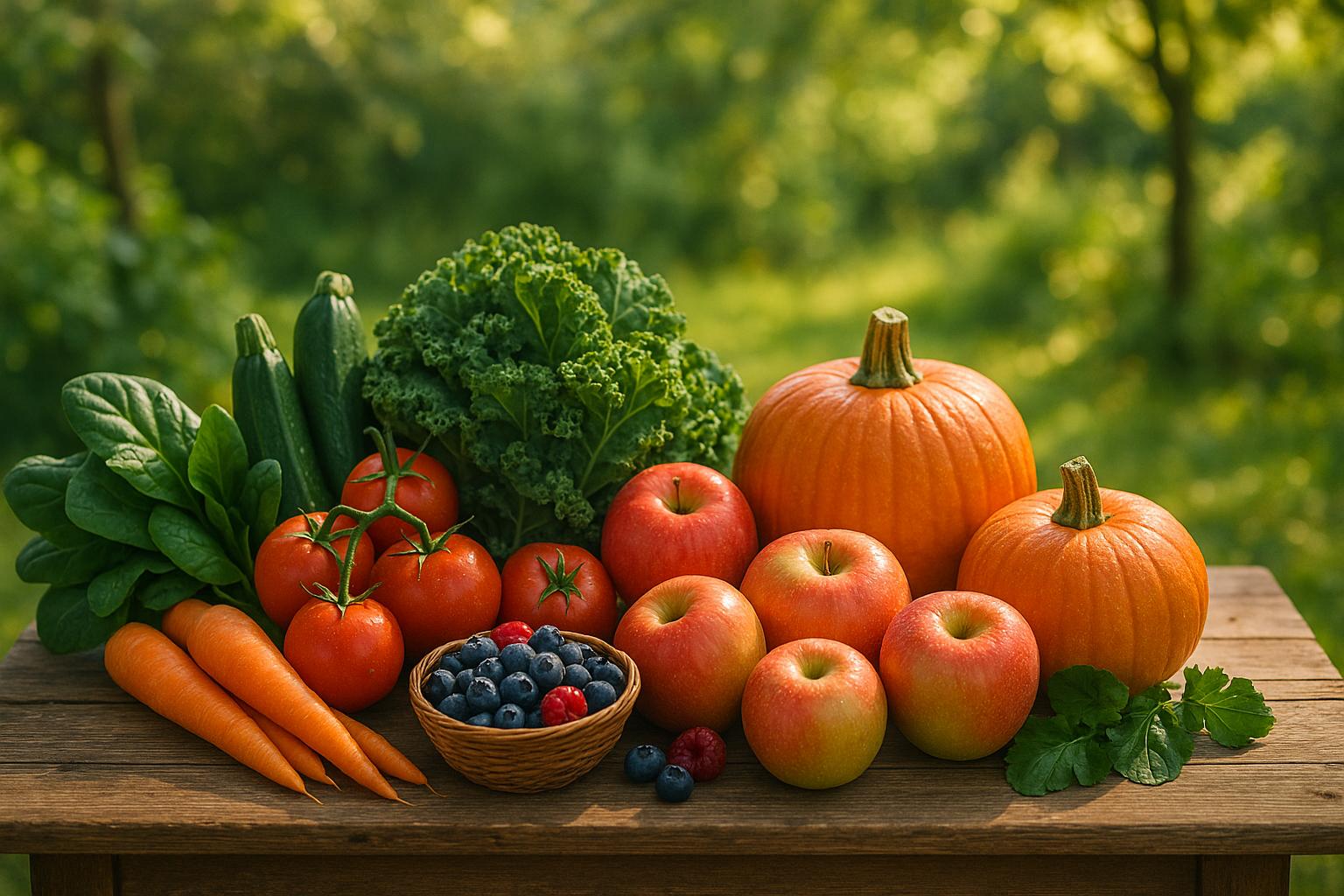
Different types of dietary fiber fuel various gut bacteria. Think about the variety: spring asparagus, summer berries, fall squash, and winter root vegetables. Each of these foods offers unique fibers and nutrients. For instance, research has shown that broccoli harvested in the fall contains nearly twice as much vitamin C as broccoli grown in the spring. This highlights how the timing of harvest can influence nutrient density.
Local, fresh produce also brings along environmental microbes from the soil, which act as natural probiotics. These microbes enhance the diversity of your gut microbiome. Choosing organic or regenerative organic produce further ensures you’re consuming food grown in nutrient-rich, microbially active soils, which can improve the quality of your meals.
To maximize these benefits, aim to include around 30 different plant-based foods in your diet each week. This can include fruits, vegetables, whole grains, nuts, seeds, herbs, and even olive oil. By naturally rotating your choices with the seasons, you provide your gut with the variety it needs to flourish.
The Science Behind Seasonal Diets and Gut Health
Recent research confirms that eating a variety of seasonal produce helps support a more diverse and resilient gut microbiome. Studies show that individuals who include 30 or more plant-based foods in their weekly diet tend to have a richer mix of gut bacteria compared to those who consume fewer types.
Globally, the average daily fiber intake falls between 15 and 26 grams – often below the recommended 20 to 35 grams. Seasonal eating can help close this gap by introducing a natural variety of fiber-rich foods into your diet.
"Fresh, local produce often carries environmental microbes that help diversify and strengthen the gut microbiome – acting almost like a natural probiotic." – Brooklin White, MS, RD, LD
Seasonal eating also delivers higher levels of essential vitamins, minerals, and phytonutrients, which not only reduce inflammation but also support the growth of beneficial bacteria. By embracing seasonal foods, you’re giving your gut microbiome the tools it needs to stay healthy all year long.
Nutrient Density and Digestive Benefits of Seasonal Produce
Seasonal eating doesn’t just mean fresher flavors – it also means better nutrition and improved digestion. By choosing produce that’s in season, you’re giving your body a nutrient boost that supports gut health and improves digestive efficiency. The timing of a harvest plays a key role in how nutrient-packed your food is, which, in turn, promotes a healthier gut microbiome. This nutrient density isn’t just good for overall well-being; it directly impacts how your digestive system functions.
Fresher Produce, Better Nutrients
When fruits and vegetables are allowed to fully mature on the plant, they pack a more powerful nutritional punch. Seasonal produce benefits from this extended growing period, resulting in higher levels of vitamins, minerals, and other essential compounds.
"Produce that is harvested in its proper season matures longer on the plant, which makes it more nutrient-dense when compared to being picked before its prime." – Mayo Clinic Diet
For example, research shows that spinach harvested during its natural growing season contains much more vitamin C compared to spinach grown out of season. On the other hand, produce grown out of season is often picked early and ripened during transit, which reduces its levels of vitamins and antioxidants. This is especially relevant in the U.S., where over half of the fruit and roughly one-third of the vegetables sold are imported. These long journeys can strip produce of its nutritional value, making seasonal eating a smarter choice for your health – and your gut.
Seasonal Foods and Digestive Support
The nutrient advantage of seasonal produce goes hand in hand with digestive health. Foods that are in season naturally align with your body’s needs throughout the year. Spring brings fiber-rich greens that refresh your system, summer offers hydrating fruits to keep digestion smooth, and autumn and winter provide hearty vegetables that fuel your body with sustained energy and essential gut-friendly compounds.
The naturally higher fiber content in seasonal fruits and vegetables is particularly beneficial. Fiber not only feeds the good bacteria in your gut but also helps prevent constipation. To maintain healthy digestion, adults are generally advised to consume between 22 to 38 grams of fiber daily.
"We maximize the nutrient profile – higher vitamin, mineral, and phytonutrient content – which supports the immune system, keeps the body in a more anti-inflammatory state, and reduces oxidative stress. We also increase exposure to the beneficial soil microbes which help diversify and strengthen our microbiome (think of it like a natural probiotic boost) to support immunity, digestion, allergies, and even the mind-gut connection." – Brooklin White, MS, RD, LD
Research conducted among the Hutterites has shown that access to fresh, seasonal produce during warmer months is associated with an increase in beneficial gut bacteria like Firmicutes, which help digest complex carbohydrates. At the same time, it reduces certain bacteria that are less common in high-fiber diets.
To make the most of these benefits, consider shopping at local farmers’ markets for in-season produce. Another tip? Aim to include about 30 different plant-based foods in your diet each week, adjusting as the seasons change.
sbb-itb-f98f348
Practical Tips for Seasonal Eating in the U.S.
Seasonal eating isn’t just about enjoying fresh flavors – it’s also a great way to support your gut health by diversifying the nutrients you consume. Incorporating seasonal produce into your meals can be simple and rewarding, especially when you know where to find it and how to make the most of what’s available throughout the year.
How to Find Seasonal Produce
Finding seasonal produce can be tricky in supermarkets that stock the same items year-round. But there are plenty of ways to discover what’s fresh and in-season in your area.
- Farmers’ markets are a fantastic place to start. They connect you directly with local growers offering freshly harvested, peak-season produce. Don’t hesitate to chat with farmers – they’re often happy to share tips about what’s in season and how to use it.
- Community Supported Agriculture (CSA) programs are another excellent option. By signing up for a CSA, you can receive a weekly box of seasonal produce straight from a local farm.
- Even grocery stores can be a resource. Many regional chains partner with local farms to stock seasonal items. Look for labels that say “local” or “in-season.” As professional recipe developer Katie Webster explains:
"Many regional grocery chains work with local farms to bring in local produce. Look for ‘local’ labels to help guide you."
For online tools, check out resources like the Seasonal Food Guide website and app, which let you search by state and zip code. Other helpful guides include the USDA‘s SNAP-Ed Seasonal Produce Guide, FoodPrint‘s Seasonal Food Guide, and the Farmer’s Almanac .
Once you’ve sourced seasonal produce, the next step is to mix things up to keep your meals – and your gut – thriving.
Rotating Foods for Gut Microbiome Diversity
Eating seasonally isn’t just about variety; it’s also a way to nourish your gut microbiome with a wider range of nutrients. Rotating your food choices exposes your digestive system to different fibers and beneficial compounds, helping to promote bacterial diversity.
Here’s how to align your meals with the seasons:
- In summer, focus on cooling, hydrating foods like fresh salads, leafy greens, and juicy fruits.
- As fall and winter roll in, shift to heartier, warming dishes featuring root vegetables, squashes, and spices.
- During late winter and early spring, lighten things up again with tender greens and gently cooked vegetables.
To keep things fresh, try introducing 3–4 new seasonal ingredients into your recipes each month. For instance, swap out regular potatoes for sweet potatoes in the fall, or replace iceberg lettuce with peppery arugula in your spring salads.
Preservation techniques can also help you enjoy seasonal produce year-round. Freezing, dehydrating, or canning fruits and vegetables at their peak ensures you’ll have flavorful, nutrient-rich options even when they’re out of season.
Finally, don’t overlook the power of community. Local social media groups can be a treasure trove of seasonal updates, recipe ideas, and tips from nearby farms and CSAs. Many farms use platforms like Facebook to share what’s fresh, along with cooking inspiration and event announcements.
Seasonal vs. Non-Seasonal Eating: A Comparison
When it comes to gut health, the choice between seasonal and non-seasonal eating can make a big difference. Seasonal eating naturally encourages a rotation of food choices throughout the year, providing a broader spectrum of nutrients. On the other hand, non-seasonal eating often relies on the same foods year-round, which can limit the variety of nutrients your gut bacteria need to thrive.
Dr. Sheila Patel, M.D., from Integrative Nutrition, highlights the nutritional benefits of seasonal foods:
"When foods are grown and harvested according to their natural season, phytonutrients, such as anti-inflammatories, antioxidants, and vitamins, are abundant and keep us healthy."
Scientific studies support this idea. For example, research on the Hutterite community showed significant seasonal changes in gut bacteria. During summer, participants had 30.3% Bacteroidetes compared to 11.2% in winter, while Actinobacteria levels increased from 0.10% to 3.84% in winter.
Dr. Gabriele Berg from Graz University of Technology in Austria underscores the importance of freshness:
"Fresh fruit and vegetables will always have the best microbiome; agriculture or processing companies already have a major influence here. And the storage and processing of food must also be critically reconsidered."
Here’s a closer look at how seasonal and non-seasonal eating compare:
Comparison Table: Seasonal vs. Non-Seasonal Eating
| Factor | Seasonal Eating | Non-Seasonal Eating |
|---|---|---|
| Nutrient Density | Higher levels of phytonutrients, antioxidants, and vitamins | Lower nutrient content due to early harvesting and long storage |
| Fiber Variety | Offers diverse fiber types throughout the year | Limited fiber variety from repetitive food choices |
| Freshness | Foods are fresher, supporting optimal microbiome content | Freshness reduced by storage and transport |
| Microbiome Diversity | Encourages a wider range of gut bacteria | May limit bacterial diversity due to narrow food options |
| Digestion Support | Aligns with the body’s natural seasonal rhythms | May disrupt natural digestive patterns |
| Food Processing | Relies on minimal processing and local sourcing | Often involves heavy processing, preservatives, and long transport |
Additional research reveals that eating a variety of over 10 different fruits and vegetables each week can significantly boost gut bacteria diversity. In fact, about 2% of your unique gut bacteria come directly from the fruits and vegetables you consume – a figure that’s even higher for children and those with plant-rich diets.
That said, seasonal eating isn’t without its challenges. Local seasonal variations can disrupt access to certain foods, and modern agricultural practices, combined with year-round food availability, have distanced many people from traditional seasonal eating habits.
Dr. John Douillard offers a warning about the consequences of neglecting seasonal eating:
"When we do not eat seasonally, our microbiome quickly disconnects from nature’s intelligence and much of our genetic dependence on seasonal microbes is lost."
This disconnect can leave your gut more vulnerable to less beneficial microbes, potentially weakening gut immunity and increasing sensitivity to environmental factors and certain foods.
Overall, seasonal eating provides clear benefits for gut health, offering better nutrient density, greater freshness, and a natural variety that supports a diverse microbiome. While non-seasonal eating may be convenient and ensure year-round availability, it often falls short in delivering the full range of nutrients your gut needs to thrive. Prioritizing seasonal eating helps nurture a healthier gut microbiome and keeps your body in sync with its natural rhythms.
Start Seasonal Eating for a Healthier Gut
Seasonal eating can do wonders for your gut microbiome, offering a natural way to improve digestion and overall health. By syncing your diet with the changing seasons, you introduce a variety of nutrients that help your gut bacteria thrive. Let’s unpack how eating seasonally can specifically boost microbiome diversity and support your gut.
A diverse gut microbiome is key to good health. People with more varied gut bacteria tend to enjoy stronger immunity, better digestion, and even longer lifespans. Seasonal eating naturally promotes this diversity by rotating the types of nutrients your gut receives throughout the year. This variety keeps your gut bacteria balanced and thriving.
Fresh, seasonal produce is also packed with nutrients that directly benefit your gut. Foods harvested in their natural season are rich in phytonutrients like anti-inflammatories, antioxidants, and essential vitamins. For instance, vegetables can lose between 15–55% of their vitamin C within a week of being picked, while spinach can lose as much as 90% of its vitamins within just 24 hours. Eating seasonally ensures you’re getting these nutrients when they’re at their most potent.
Getting started with seasonal eating is simpler than you might think. Farmers’ markets and Community Supported Agriculture (CSA) programs are great places to find fresh, seasonal produce. Incorporate these into your meals to enjoy a greater variety of fruits and vegetables throughout the year.
Adjusting your meals to match the seasons can also enhance gut health. In the summer, focus on light and cooling foods like salads, fresh greens, and fruits. As fall and early winter roll in, shift to warm, cooked dishes with comforting spices. By late winter and early spring, lighter meals featuring raw or lightly cooked vegetables and greens are ideal. These seasonal shifts not only align with nature but also help your gut stay in sync with its natural rhythms.
Research backs this up, showing that the composition of gut bacteria changes with the seasons. Eating local and seasonal foods helps your digestion and metabolism stay in tune with these shifts, supporting better gut health.
Start small. Incorporate local, organic fruits and vegetables into your diet, focusing on those rich in prebiotics and fiber to nourish your beneficial gut bacteria. When possible, choose produce from local sources, and don’t over-wash it – a light rinse is enough. The natural microbes on fresh produce can contribute to a healthier and more diverse gut microbiome.
By embracing seasonal eating, you’re not only prioritizing your gut health but also supporting sustainable farming and your local economy. The freshness, variety, and nutrient density of seasonal foods make a real difference.
Why not start today? A visit to your local farmers’ market could be the first step toward better gut health.
FAQs
How does eating seasonal foods benefit your gut microbiome?
Eating foods that are in season can do wonders for your gut health. By adding seasonal produce to your meals, you’re introducing a mix of nutrients and natural microbes that can help nurture a more diverse gut microbiome. These foods are packed with unique fibers, antioxidants, and compounds that feed the good bacteria in your gut, helping maintain a healthy balance.
What’s more, the natural shifts in seasonal diets can encourage changes in your gut’s microbial community. Take winter, for example – hearty, fiber-rich foods during colder months may support bacteria that thrive on those nutrients. On the flip side, summer’s fresh fruits and vegetables can promote different microbes that flourish with lighter, water-rich produce. This ebb and flow keeps your digestion strong and helps your gut adapt throughout the year.
How can I easily include seasonal eating in my busy routine?
Incorporating seasonal eating into a busy routine doesn’t have to be complicated. One easy way to start is by exploring local farmers’ markets or using seasonal produce guides to find out what’s fresh in your area. To ease into the habit, try adding just one new seasonal ingredient or recipe to your meals each week. This gradual approach makes the transition feel effortless.
Another helpful tip is to plan your meals ahead of time. Focus on simple, flexible seasonal staples like root vegetables, citrus fruits, and leafy greens. These ingredients are not only easy to cook but also rich in nutrients. By eating with the seasons, you’ll enjoy fresher, more flavorful meals while giving your gut health and overall well-being a natural boost.
What are the potential challenges of seasonal eating?
While eating seasonally has its perks, it does come with a few hurdles. One of the main challenges is the limited selection of produce during certain times of the year. In colder months, for instance, the variety of fresh fruits and vegetables tends to shrink, especially in regions with harsh winters. This can make it tricky to meet all your nutritional needs.
Another issue is that seasonal foods aren’t always easy to find, particularly if you live in areas with shorter growing seasons or fewer local farming options. This might mean relying on imported or out-of-season produce to round out your meals. However, planning ahead and incorporating frozen or preserved seasonal foods into your diet can help bridge these gaps and keep your meals balanced throughout the year.