
Want to improve your gut health and reduce inflammation? This 7-day meal plan is packed with anti-inflammatory foods, probiotics, and fiber to support digestion and overall wellness. Here’s what you’ll get:
- Why Gut Health Matters: Chronic gut inflammation can lead to conditions like IBD, IBS, and even increase cancer risk.
- Key Foods to Focus On: Fiber (30g/day), omega-3s, polyphenols, probiotics, and prebiotics.
- Foods to Avoid: Processed meats, fried foods, refined carbs, sugary drinks, and trans fats.
- Daily Meals: Balanced breakfasts, nutrient-rich lunches, and anti-inflammatory dinners with options like salmon, lentils, and fermented foods.
Quick Tip: Aim for 30+ plant-based foods weekly to boost gut microbiome diversity. Ready to transform your gut health? Let’s dive in!
5 DAY ANTI-INFLAMMATORY MEAL PREP | Anti-Inflammatory Foods to Reduce Bloating & Inflammation
Basic Rules of Anti-Inflammatory Meal Planning
To reduce inflammation through diet, it’s essential to understand how food impacts your gut and to make choices that align with your body’s natural processes.
How Chronic Inflammation Affects Gut Health
Your gut is home to an astonishing 100 trillion microorganisms, including about 200 types of bacteria, viruses, and fungi. When chronic inflammation sets in, it disrupts this delicate balance, damaging the gut lining. This can hinder nutrient absorption and allow harmful substances to pass through the intestinal wall, which may trigger more inflammation. Symptoms like bloating and irregular digestion often follow. Poor eating habits and erratic meal timing can make things worse. By consistently incorporating anti-inflammatory foods, you provide your gut with the support it needs to heal and maintain its natural balance.
Key Nutrients for Gut Health
Certain nutrients play a major role in reducing inflammation and promoting a healthy digestive system:
- Fiber: A must-have for gut health. Women should aim for 25 grams per day, while men need about 30 grams. Fiber feeds the good bacteria in your gut, helping them thrive and outcompete harmful microbes.
- Omega-3 Fatty Acids: Found in fatty fish like salmon, mackerel, and sardines, omega-3s help soothe inflammation in the gut. Plant-based sources, like flaxseeds, walnuts, and canola oil, are great alternatives.
- Polyphenols: These compounds give fruits and vegetables their rich colors and pack anti-inflammatory benefits. You can find them in foods like berries, olive oil, coffee, tea, whole grains, and even dark chocolate.
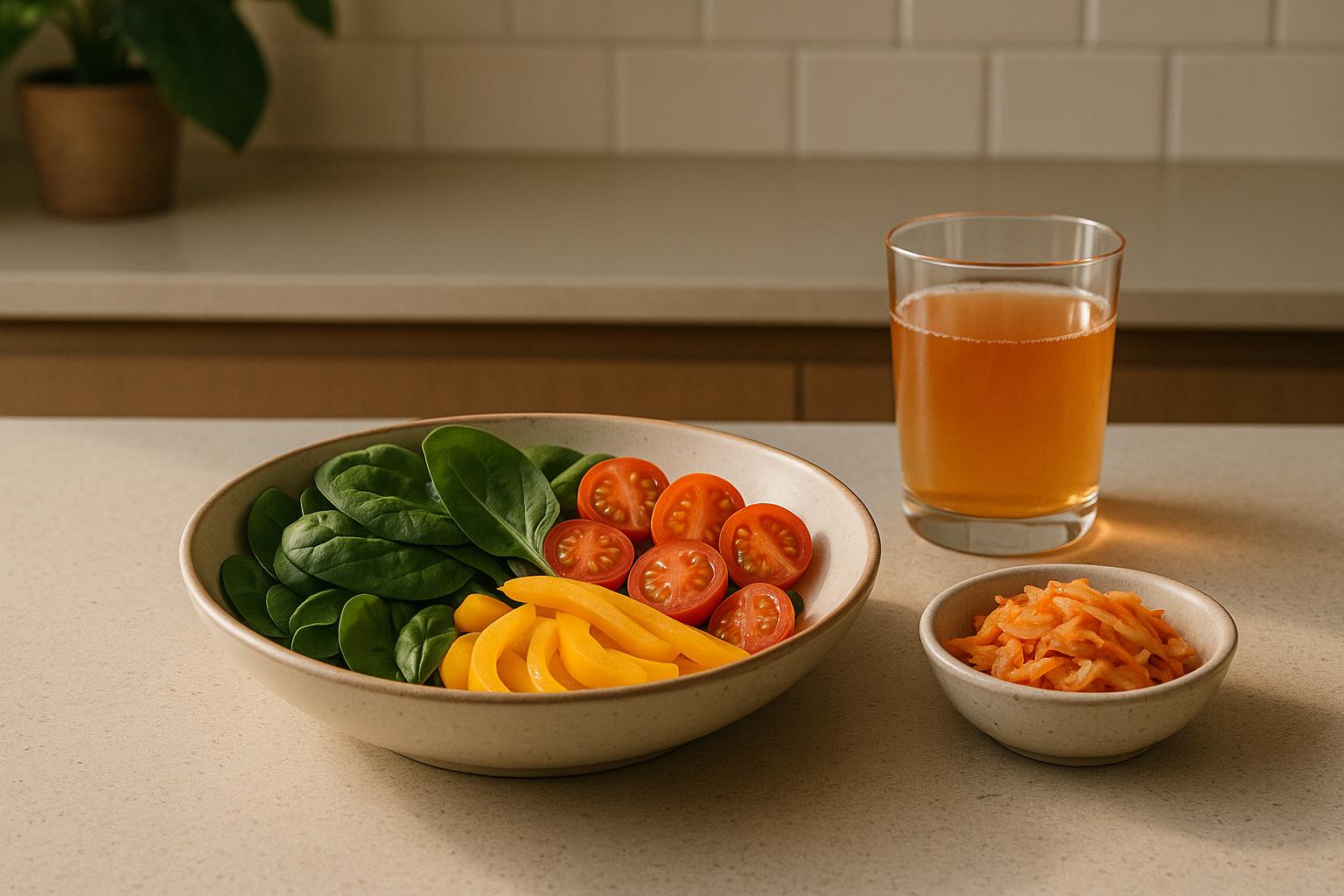
- Probiotics and Prebiotics: Probiotics, found in foods like yogurt, kimchi, and sauerkraut, introduce beneficial bacteria to your gut. Prebiotics, found in foods like garlic, onions, and beans, act as food for these bacteria, helping them flourish.
- Vitamin C: Known for its immune-boosting properties, vitamin C also helps reduce inflammation. Citrus fruits and bell peppers are easy ways to add this nutrient to your meals.
Dr. Chris Damman, a gastroenterologist at UW Medicine, highlights the importance of these dietary choices:
"What we need to do is add back good foods and nutrients that feed a healthy microbiome that as it turns out help regulate appetite and metabolism."
Common Inflammatory Foods to Avoid
Certain foods can disrupt gut health and promote inflammation. Instead of cutting them out entirely, try swapping them for healthier options:
- Processed and Red Meats
Consuming an extra 100 grams of meat increases the risk of inflammatory bowel disease (IBD) by 38%. Processed meats like bacon and sausage are particularly harmful due to their high sodium and preservatives. - Refined Carbohydrates
Products like white bread and pastries can spike blood sugar and promote inflammation. These foods also lack the fiber and nutrients your gut needs. - Fried Foods
Deep-fried items contain harmful compounds like trans fats that can damage gut tissue. Baking, steaming, or stir-frying are healthier cooking methods. - Sugar-Sweetened Beverages
Drinks such as soda and sweetened tea overload your system with refined sugars, fueling inflammation and harmful gut bacteria. - Trans Fats
Found in processed foods like margarine and shortening, trans fats disrupt cell function and contribute to inflammation.
Here’s a quick guide for healthier swaps:
| Instead of… | Try: |
|---|---|
| Charcuterie boards | Vegetable slices with hummus |
| French fries | Baked sweet potatoes |
| Butter/cheese sauces | Olive oil, vinegar, and fresh herbs |
| Grilled burgers | Grilled eggplant or portobello mushrooms |
| Cakes and pies | Dark chocolate with raspberries |
As Hopkins Medicine explains:
"While no one food reduces inflammation, building a healthy, holistic dietary pattern can help lower your risk of inflammatory disease and transform your health."
7-Day Anti-Inflammatory Meal Plan Overview
This 7-day plan is designed around nutrient-packed meals and strategies to help reduce inflammation. Each day delivers around 2,000 calories, offering at least 30 grams of fiber and probiotic-rich foods. You can adjust portions to fit your specific needs.
Day 1: Boosting Microbial Diversity
Kick off the week by focusing on gut diversity. For breakfast, whip up a 10-Minute Spinach Omelet with a medium orange. The eggs provide protein, spinach adds antioxidants, and the orange offers vitamin C and fiber – an ideal anti-inflammatory start.
Lunch features a Mason Jar Power Salad with Chickpeas & Tuna, a combination rich in prebiotics and omega-3 fatty acids. End the day with a Salmon & Avocado Salad for dinner. The salmon delivers omega-3s to ease inflammation, while avocado brings healthy fats and fiber.
Day 2: Polyphenol Power
Day two highlights polyphenol-rich foods to combat cellular inflammation. Begin with a Strawberry-Peach Chia Seed Smoothie, a blend of berries, chia seeds, and fiber-rich goodness.
For lunch, enjoy a hearty Ginger-Chicken Stew with Greens, Bell Pepper Slices, and Garlic Hummus. Ginger acts as a natural anti-inflammatory, while the vegetables provide diverse fibers to support gut health. Dinner is a Grilled Chicken & Vegetable Salad with Chickpeas & Feta, packed with polyphenols and probiotics.
Days 3–7: Rotating Nutrient-Dense Meals
The remaining days focus on a mix of nutrient-rich meals to reinforce anti-inflammatory benefits. Breakfast alternates between Greek Yogurt with Almonds and Blueberries on days 3, 5, and 7 – combining probiotics and antioxidants – and the Strawberry-Peach Chia Seed Smoothie on days 4 and 6 for variety.
Lunch options include the Ginger-Chicken Stew or a Lemony Lentil Salad with Feta, both offering fiber, plant-based protein, and vitamin C. Dinner rotations feature flavorful dishes like Shakshuka with Roasted Tomatoes, Turkey & Sweet Potato Chili, Blackened Fish Tacos with Spicy Cabbage Slaw, and Grilled Vegetable & Black Bean Farro Bowls. These meals incorporate anti-inflammatory spices, diverse cooking methods, and a variety of nutrients.
| Day | Breakfast Focus | Lunch Highlight | Dinner Feature |
|---|---|---|---|
| 1 | Protein + Vitamin C | Omega-3s + Prebiotics | Anti-inflammatory fats |
| 2 | Polyphenols + Fiber | Ginger + Diverse Veggies | Probiotics + Plant Protein |
| 3 | Probiotics + Antioxidants | Anti-inflammatory Spices | Lycopene-Rich Tomatoes |
| 4 | Chia Omega-3s | Warming Spices | Sweet Potato Beta-Carotene |
| 5 | Greek Yogurt Cultures | Ginger Compounds | Lentil Fiber + Feta Probiotics |
| 6 | Berry Polyphenols | Plant Protein + Probiotics | Omega-3 Fish + Fermented Slaw |
| 7 | Probiotic Diversity | Fiber + Healthy Fats | Ancient Grains + Plant Protein |
This meal plan encourages you to eat at least 30 different plant-based foods per week, a practice linked to a more diverse and healthier gut microbiome. Each meal is designed to work together, providing steady energy, reducing inflammation, and supporting the growth of beneficial gut bacteria. Up next, we’ll dive into meal prep tips to make this plan easy to follow in your daily life.
Tips for Meal Preparation and Long-Term Success
Eating an anti-inflammatory diet can be simple and manageable with the right meal prep strategies.
Batch Cooking and Meal Prep Strategies
Batch cooking can save you time and energy during the week by preparing multiple meals at once. Cook double or triple portions of your favorite dishes early in the week and freeze the extras for later. Start with straightforward recipes that use five to ten key ingredients (not counting spices and herbs) to keep things easy. For instance, a big pot of Turkey & Sweet Potato Chili is perfect – it freezes well and gives you ready-made dinners for busy nights.
Stock your pantry with convenient essentials like frozen fruits, vegetables, and low-sodium canned legumes. Pre-cut salads, veggies, and fruits are also lifesavers when you need to throw together a quick Mason Jar Power Salad or add a crunchy side to your meal. Dedicate a few hours on a low-energy day, like Sunday, to prepare grains, roasted vegetables, and proteins such as grilled chicken or baked salmon. If tackling everything at once feels overwhelming, focus on one category per week – maybe prep breakfast smoothie packs one week and lunch components the next.
Once your ingredients are ready, take your dishes up a notch with the right blend of spices.
How to Add Flavor with Anti-Inflammatory Spices
Spices are key to keeping your meals flavorful and exciting while also supporting an anti-inflammatory diet. They add depth and aroma that bring your dishes to life.
"The goal of using spices is not just to add heat or intense bursts of flavor, but to create a balanced, aromatic, and complex palate that complements the primary ingredients of your dish." – Sujan Sarkar, Chef-Owner of Indienne
Start small – use half the amount suggested in recipes, then adjust to your liking.
"It’s easier to add more than to fix an over-spiced dish." – Ilya Evdokimov, Chef de Cuisine at STAY by Yannick Alléno
For maximum flavor, try toasting whole or ground spices for 30–90 seconds, or bloom ground spices in oil for 15–30 seconds. Add spices in stages for the best results: hardy spices like bay leaves and black peppercorns go in early, mid-cook spices like turmeric and cumin are added halfway, and delicate options like red pepper flakes or fresh herbs are stirred in right at the end. If you’re doubling a recipe, increase spice quantities by only 1.5 times to keep the flavors balanced. And if you go overboard, don’t panic – lemon juice, vinegar, salt, or honey can help balance things out.
Customizing your meals to fit your preferences and needs is the next step.
How to Customize the Meal Plan for Your Needs
Adjusting your meal plan to suit your personal health goals and dietary restrictions ensures it’s both effective and enjoyable. Flexible, build-your-own meals are a great way to keep things stress-free in the kitchen.
"DIY-style meals offer the most flexibility for the diners and the least amount of stress for the cook." – Emily Rahravan, Author at America’s Test Kitchen
Take the Grilled Vegetable & Black Bean Farro Bowls, for example. You can turn this dish into a customizable meal station by preparing the base ingredients – farro, roasted vegetables, black beans, and a variety of toppings – so everyone can assemble their own bowl.
| Dietary Restriction | Simple Swaps | Meal Plan Ideas |
|---|---|---|
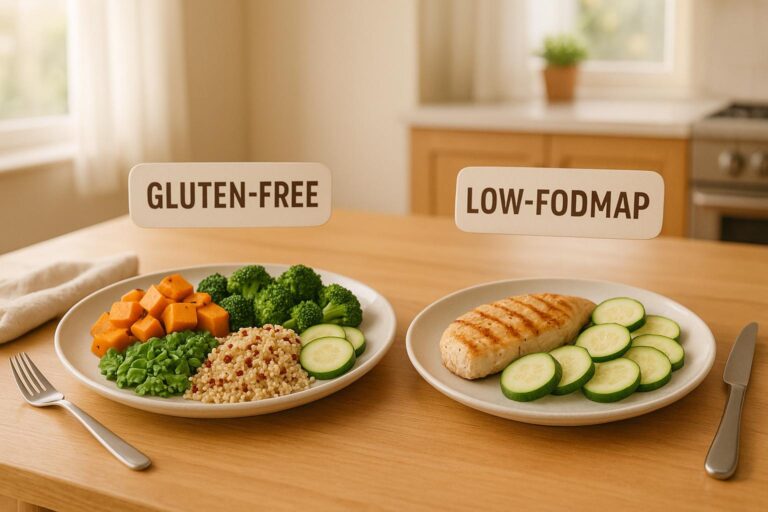
| Gluten-Free | Replace soy sauce with tamari; swap farro for quinoa | Make quinoa bowls instead of farro bowls; use gluten-free oats in smoothies |
| Dairy-Free | Use coconut yogurt instead of regular yogurt; replace cheese with nutritional yeast | Choose plant-based yogurt for breakfast; skip feta in salads |
| Vegetarian/Vegan | Use tempeh, tofu, or extra legumes instead of animal proteins | Swap chickpeas for tuna in salads; add plant-based protein to smoothies |
| Low-FODMAP | Use garlic-infused olive oil; stick to low-FODMAP vegetables | Modify dishes like Shakshuka by using bell peppers instead of onions; limit beans to smaller portions |
Before diving in, make a list of foods you need to avoid and those you enjoy. This makes it easier to identify which recipes need slight adjustments.
"Customized meal plans bring a breath of fresh air to those balancing dietary limits and a busy lifestyle… you enjoy the peace of mind that comes with knowing every ingredient has been carefully considered." – Meal Prep Kingz
Keep your pantry stocked with alternative proteins, dairy-free milk options, and gluten-free grains. A little variety and creativity can transform any restricted diet into an opportunity to try exciting new flavors and textures.
sbb-itb-f98f348
Other Ways to Support Gut Health
Your 7-day meal plan is a great starting point for improving gut health, but supplements and mindful lifestyle choices can take it to the next level.
Adding Probiotics and Digestive Enzymes
Probiotics and digestive enzymes play important roles in supporting digestion. Probiotics, or "good bacteria", help balance your gut microbiome, while digestive enzymes assist in breaking down food for better nutrient absorption.
"Enzymes are proteins that help break down food, decrease discomfort after meals, and allow for maximum nutrient absorption. Probiotics are live bacteria that support your microbiome, help maintain balance in your gut, crowd out harmful bacteria, and support immunity, mood, and digestion."
- Amy Shapiro, MS, RD, CND, Registered Dietitian and Founder of Real Nutrition
Certain strains, like Bifidobacterium lactis and Lactobacillus acidophilus, have been shown to relieve common digestive issues. For instance, a 2016 study in Alimentary Pharmacology & Therapeutics found that Bifidobacterium lactis significantly improved stool frequency and consistency in people with chronic constipation. Similarly, research in the World Journal of Gastroenterology suggests that Lactobacillus acidophilus can help reduce bloating and gas in individuals with IBS.
Digestive enzymes, such as amylase, lipase, and protease, break down carbohydrates, fats, and proteins, making digestion smoother and reducing bloating.
"The best digestive enzymes, whether natural or in supplemental form, help ensure your food is properly broken down so your body can absorb the nutrients."
- Meg Gerber, RD, IFNCP, CGN, Nutritionist and Founder of Grounded Nourishment
When choosing supplements, look for broad-spectrum digestive enzymes and probiotics with clinically studied strains. Affordable options include Now Foods Probiotic-10 ($20.37), while AG1 offers a more comprehensive formula at $99. However, keep in mind that over-the-counter digestive enzyme supplements aren’t FDA-regulated, so their quality and dosage can vary. Always consult a healthcare provider before starting new supplements, especially if you have existing health concerns.
"Overall, a healthy person really doesn’t need to take digestive enzyme supplements. The best digestive enzymes are the ones our bodies make naturally, and they work best when you eat a whole food diet."
- Morgan Denhard, MS, RD, LDN, Registered Dietitian at Johns Hopkins Medicine
In addition to supplements, how you eat and live can greatly influence your gut health.
Mindful Eating and Lifestyle Tips
The way you approach meals and manage stress can make a big difference in your digestion. Mindful eating enhances the benefits of an anti-inflammatory diet by encouraging you to slow down and savor your food. Since it takes about 20 minutes to feel full, eating slowly can prevent overeating.
"When you take time to experience your food through all your senses – taste (flavor), smell (aroma), sight (presentation), sound (of surroundings), and touch (movement of utensils and the feel of the food) – you are likely to be truly nourished."
- Deborah Kesten and Larry Scherwitz
Creating a distraction-free environment during meals, free from TV or smartphones, can also improve digestion. Paying attention to the colors, aromas, and textures of your food helps stimulate digestive processes.
Stress is another factor that impacts gut health. High stress levels can interfere with digestion by suppressing the parasympathetic nervous system and reducing the release of digestive enzymes.
"The brain has a direct effect on the stomach and intestines… A troubled intestine can send signals to the brain, just as a troubled brain can send signals to the gut. Therefore, a person’s stomach or intestinal distress can be the cause or the product of anxiety, stress, or depression."
Physical activity is another way to support your gut. Regular exercise improves blood flow and helps regulate gut bacteria. Aim for 150 to 270 minutes of moderate to high-intensity exercise per week, whether through cardio or strength training. Unfortunately, only three in ten American adults meet this activity level.
Incorporating stress-reduction practices like meditation, deep breathing, yoga, or spending time outdoors can also improve digestion. Quality sleep – seven to nine hours per night – not only helps manage stress but also supports overall digestive health.
Finally, practice mindful eating by asking yourself, "Am I truly hungry?" This simple check can help you distinguish between emotional and physical hunger, promoting a healthier relationship with food.
Since up to 80% of your immune cells are located in your gut, combining these lifestyle habits with an anti-inflammatory meal plan creates a well-rounded approach to digestive wellness.
Conclusion: Achieving a Healthier Gut Through Diet
Your journey toward better gut health starts here. This plan offers a solid starting point, but the real progress lies in making these dietary changes a lasting part of your life.
Sticking to an anti-inflammatory diet long-term can help balance your gut microbiota, lower inflammation, and even support brain health by focusing on whole, unprocessed foods. Research highlights that diets like the MIND and Mediterranean approaches not only promote gut health but also lower the risk of conditions like Alzheimer’s and other chronic illnesses.
"A healthy diet is beneficial not only for reducing the risk of chronic diseases, but also for improving mood and overall quality of life."
- Dr. Frank Hu, professor of nutrition and epidemiology at the Harvard School of Public Health
To build on these benefits, consider practical steps to enhance your gut health further. Incorporate a variety of plant-based foods to maintain a balanced microbiome, and add fermented foods to improve microbial diversity.
Keep in mind, your diet, gut health, and mental well-being are all interconnected. Pair your dietary efforts with mindful eating, managing stress, staying active, and getting quality sleep to support your digestive health.
Start today: aim for 21 to 38 grams of fiber each day, drink 4–6 cups of water, and cut back on ultra-processed foods. These consistent habits can strengthen your gut and improve your overall health.
FAQs
What are some simple ways to keep eating anti-inflammatory foods after completing the 7-day meal plan?
To gradually bring more anti-inflammatory foods into your diet, aim for small, manageable tweaks. Start by incorporating more whole, unprocessed options like fresh fruits, vegetables, whole grains, nuts, seeds, and healthy fats – think olive oil. Boost your meals with omega-3-rich choices such as salmon, sardines, or walnuts, which are known for their inflammation-fighting properties.
At the same time, try to limit processed foods, sugary treats, and refined carbs, as these can contribute to inflammation. Spice things up with natural options like turmeric, ginger, or cinnamon to enhance flavor and add anti-inflammatory benefits. These simple shifts can become part of your daily routine, promoting better gut health and overall well-being.
What are some simple ways to maintain a healthy gut over time?
Simple Tips for a Healthy Gut Microbiome
Taking care of your gut microbiome is an essential part of maintaining your overall health. Here are a few straightforward ways to keep it in good shape:
- Mix up your meals: Incorporate a wide range of fruits, vegetables, whole grains, and fermented foods like yogurt or sauerkraut into your diet. A diverse diet helps nourish a variety of beneficial gut bacteria.
- Stay hydrated: Drinking plenty of water aids digestion and helps maintain the health of your gut lining.
- Cut back on processed foods: Ultra-processed foods can negatively impact your gut. Instead, opt for whole, less-processed choices to support better digestion.
- Keep stress in check: Chronic stress can throw off your gut’s balance. Activities like mindfulness, yoga, or regular exercise can help you manage stress effectively.
A few small changes to your daily habits can go a long way in supporting your gut health and improving your overall well-being.
What are the signs that my gut health is getting better or worse?
Improving your gut health can often be felt in everyday life. It might look like regular and comfortable bowel movements, steady energy levels throughout the day, and little to no bloating or gas. You could also notice smoother digestion after meals and a reduction in food sensitivities.
On the flip side, if your gut health is taking a hit, you might experience persistent bloating, gas, diarrhea, constipation, or general abdominal discomfort. When these issues happen frequently or seem to get worse, it might signal an imbalance in your gut that needs addressing.
It’s important to pay attention to how your body reacts to changes in your diet. Building better gut health is a gradual process, often tied to sticking with consistent, healthy eating habits.