
Probiotics can help manage food sensitivities by improving gut health, reducing inflammation, and balancing the immune system. Food sensitivities, which affect about 20% of people globally, are often linked to imbalances in the gut microbiome (dysbiosis). Unlike food allergies, sensitivities are dose-dependent and cause delayed symptoms like bloating, gas, headaches, and fatigue. Probiotics work by:
- Restoring gut bacteria balance and diversity.
- Strengthening the intestinal barrier to prevent sensitivity triggers.
- Modulating immune responses to reduce overreactions to foods.
Key Probiotic Strains for Food Sensitivities:
- Lactobacillus rhamnosus GG: Helps with lactose intolerance and dairy sensitivity.
- Bifidobacterium bifidum: Strengthens gut lining and reduces inflammation.
- Lactobacillus paracasei L9: Balances immune responses to allergens.
Quick Tips:
- Choose multi-strain probiotics with at least 1 billion CFU daily.
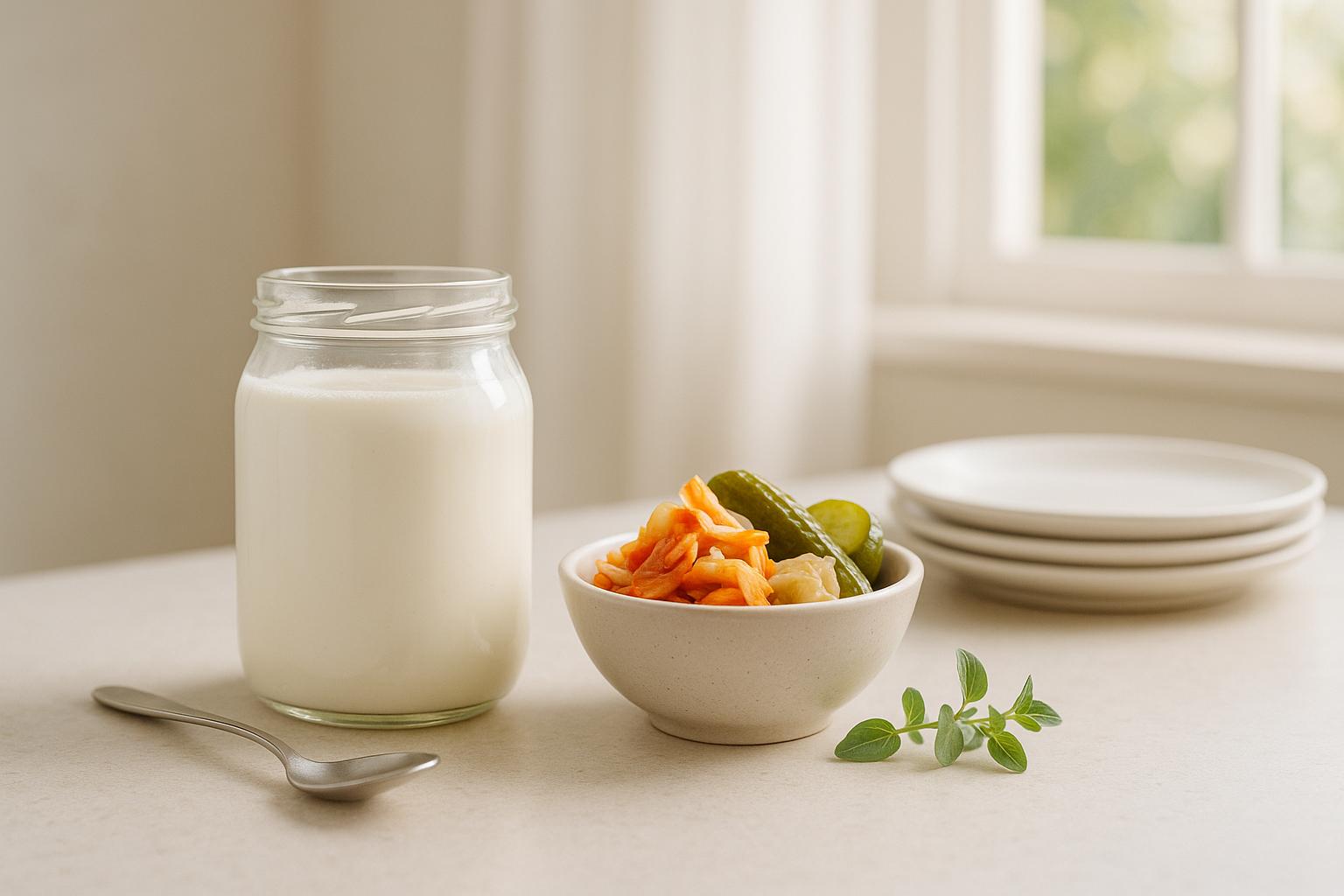
- Add probiotic-rich foods like yogurt, kefir, and kimchi to your diet.
- Track your progress with a food and symptom diary for noticeable improvements in 4–8 weeks.
Probiotics, combined with a fiber-rich diet and healthy habits, offer a practical way to manage food sensitivities and improve overall gut health.
Dr. Rajsree’s Guide to Probiotics: Specific Strains That Prevent and Reverse Diseases!
How Probiotics Help Reduce Food Sensitivities
When it comes to food sensitivities, the role of gut bacteria is more significant than you might think. An imbalance in your gut microbiome can lead to unexpected reactions to foods you’ve always tolerated. But here’s the good news – probiotics can help restore balance, offering a path to improved digestive health.
How Gut Bacteria Affect Food Sensitivities
Your gut bacteria are like teachers for your immune system, helping it learn to differentiate between harmful invaders and harmless food proteins. However, when this bacterial community is disrupted – a condition known as dysbiosis – the immune system can start overreacting to ordinary foods. Research shows that people with allergies and intolerances often have reduced bacterial diversity and an imbalance between helpful and harmful microbes.
The numbers are eye-opening. In China, food allergies have increased by 60% over the past decade, and allergic diseases now affect nearly half the population in Europe and North America. Dr. Talal Chatila, director of the Food Allergy Program at Boston Children’s Hospital, explains:
"The loss of these bacteria acts as a switch that makes children susceptible to food allergy."
Studies also reveal that the gut microbiome differs significantly between those with and without food sensitivities. Early life factors, like birth method and feeding practices, play a big role too. For example, babies delivered by cesarean section often have fewer beneficial bacteria, such as Lactobacillus, Prevotella, and Bifidobacterium. On the other hand, breastfed infants typically develop more Bifidobacterium species, while formula-fed babies tend to harbor more Clostridium and Bacteroides species. Probiotics can help address these imbalances, potentially reducing sensitivity symptoms.
How Probiotics Fix Gut Imbalances
Probiotics offer a targeted way to tackle gut imbalances, reducing food sensitivity symptoms through several mechanisms. First, probiotics compete with harmful bacteria for nutrients and binding sites. They also produce antimicrobial substances – like short-chain fatty acids (SCFAs), organic acids, and hydrogen peroxide – that inhibit the growth of harmful microbes. For example, both live and inactivated forms of Lactobacillus delbrueckii subsp. bulgaricus have been shown to reduce inflammatory markers such as IL-6 and IL-8, while Bifidobacterium bifidum helps regulate key inflammatory factors.
Another way probiotics help is by strengthening the intestinal barrier, which acts as a frontline defense against sensitivity triggers. Probiotics boost mucin production and regulate tight junction proteins, which are essential for maintaining gut health. Research shows that Bifidobacterium bifidum enhances proteins like ZO-1, Claudin-4, and Occludin, helping to reduce mucosal damage and mast cell activation in food-sensitive individuals.
Probiotics also play a role in rebalancing the immune system. They modulate immune cells to correct the Th1/Th2 imbalance, which is often linked to allergies. In one study, Lactobacillus paracasei L9 activated the TLR2/MAPK signaling pathway, promoted the differentiation of beneficial immune cells, and improved regulatory cytokine secretion in a mouse model of cow’s milk protein allergy, leading to symptom relief.
On a metabolic level, probiotics contribute by producing acetate, which reduces inflammation, and by supporting amino acid metabolism, which aids in processing proteins. Specific strains like Lactobacillus paracasei L9 and PC-01 have been shown to modulate immune responses and block allergic signaling pathways, reducing sensitivity symptoms.
Probiotics even have practical applications in food processing. For example, soy milk fermented with Lactobacillus helveticus not only reduces soy protein allergies but also improves flavor by minimizing off-notes.
Dr. Chatila underscores the potential of probiotics, stating:
"If you give them the right bacteria, the Clostridia, they’re completely resistant to food allergy."
Picking the Right Probiotic Strains for Food Sensitivities
When it comes to managing food sensitivities, not all probiotics are the same. Each strain offers specific benefits, and identifying the right ones for your needs can make a huge difference in your digestive health.
Strains That Work Best
For those dealing with lactose intolerance, certain probiotics stand out. Lactobacillus rhamnosus GG helps by producing lactase, the enzyme needed to digest lactose, and improving nutrient absorption. Similarly, Lactobacillus acidophilus DDS-1 has shown promise in easing symptoms like bloating and discomfort in clinical trials.
In a double-blind, placebo-controlled study, Lactobacillus acidophilus DDS-1 significantly reduced issues like diarrhea, abdominal cramps, and vomiting compared to a placebo group. Another study highlighted the benefits of combining Lactobacillus rhamnosus Rosell-11 and Lactobacillus acidophilus Rosell-52, which improved dairy tolerance and stool consistency.
Bifidobacterium strains also play a key role in managing lactose sensitivity. Research by He et al. found that yogurt containing Bifidobacterium animalis and supplements with Bifidobacterium longum enhanced metabolic activity in the colon and reduced lactose intolerance symptoms within two weeks. These strains work by breaking down lactose directly in the intestine.
For broader allergy symptoms, Lactobacillus rhamnosus has been shown to reduce allergic reactions and cut the risk of antibiotic-related diarrhea from 22.4% to 12.3%.
Ben Hook, BSc (Hons) Nutrition ANutr, emphasizes the individual nature of probiotic effectiveness:
"Each individual will have their own level of dairy tolerance, and the composition of our gut microflora is unique to each individual, but a number of studies have found that probiotics in yogurt drinks and non-dairy probiotic supplements could help aid the digestion of lactose".
To see clinical benefits, aim for products that provide at least 1 billion CFU (colony-forming units) per day. The most effective strains include Lactobacillus, Bifidobacterium, Bacillus, and Saccharomyces boulardii. These strains not only improve dairy tolerance but also strengthen gut defenses against triggers of food sensitivities.
This sets the stage for the enhanced benefits of multi-strain probiotics.
Why Multi-Strain Probiotics Work Better
Multi-strain probiotics often outperform single-strain options when it comes to addressing food sensitivities. In studies comparing combined supplements to individual strains, 75% of cases showed the mixture was more effective.
The secret lies in synergy. Different strains work together to address multiple aspects of gut health at once, tackling the complex challenges of food sensitivities. This collaborative effect explains why multi-strain formulas consistently deliver better results.
Dr. Lynne McFarland from the University of Seattle highlights this advantage:
"…the benefits of multi-strain mixtures may include broader range of effects and more mechanisms of action…".
Multi-strain probiotics also enhance gut microbiome diversity, which is essential for overall health and reducing the risk of digestive issues. Considering the human body hosts nearly 40 trillion bacterial cells, having multiple beneficial strains working together creates a stronger defense against food sensitivity triggers.
When selecting a probiotic supplement, Gail Cresci, PhD, RD, from Cleveland Clinic, advises:
"I’d probably stay away from store brands and pay a little extra for the name brand that’s been studied. Ideally, look for a product that’s been tested for whatever you’re looking to address.".
To ensure quality, check for a Natural Product Number (NPN) for regulatory approval, verify the genus, species, and strain information on the label, and follow storage instructions (usually refrigeration). If you’re taking antibiotics, mention it to your pharmacist, and consult your doctor before starting probiotics if you have serious health conditions or a weakened immune system.
Next, we’ll explore how to easily incorporate multi-strain probiotics into your daily routine.
Adding Probiotics to Your Daily Routine
Incorporating probiotics into your diet can help manage food sensitivities by promoting a healthier gut. You can do this through probiotic-rich foods or supplements.
Foods That Contain Probiotics
Fermented foods are a natural way to introduce beneficial bacteria into your system. These live cultures can help balance your gut and ease digestive discomfort.
- Yogurt: Look for options labeled with "live and active cultures" and avoid those with excessive added sugars or heat-treated varieties, as high heat destroys the beneficial bacteria.
- Kefir: Packed with multiple strains of bacteria and yeast, kefir is a great choice, even for those who are lactose intolerant.
- Sauerkraut and Pickles: Choose naturally fermented options (not vinegar-based) to ensure they contain live cultures.
- Kimchi: This spicy, fermented Korean cabbage dish is rich in Lactobacillus kimchii and offers a flavorful way to boost your probiotic intake.
- Tempeh: A fermented soybean product that not only provides probiotics but also adds protein and vitamin B12 to your diet.
- Cheeses: Varieties like cheddar, parmesan, Swiss, and gouda often contain live or active cultures – check the labeling to confirm.
- Miso, Kombucha, and Natto: These fermented favorites add variety and additional nutrients to your meals.
Start with small portions of these foods and gradually increase your intake. Pair them with prebiotic-rich ingredients like garlic, onions, or bananas to help nourish the good bacteria. Keep in mind that excessive heat can kill the live cultures, so avoid cooking these foods at high temperatures.
For those looking for consistency or specific dosages, probiotic supplements are a reliable alternative.
Taking Probiotic Supplements
While probiotic foods are beneficial, supplements can provide a precise and consistent daily dose of probiotics.
When selecting a supplement, aim for products containing at least 1 billion CFUs (colony-forming units). Strains like Lactobacillus and Bifidobacterium are particularly effective. Taking probiotics daily is key to seeing the best results. As registered dietitian Gail Cresci, PhD, RD, LD, advises:
"The one important thing to remember is that you take them. Whatever works best so you don’t forget. You’ll get the most benefits if you do it daily".
For optimal absorption, take Lactobacillus and Bifidobacterium strains 30 minutes before meals with low-acid liquids. On the other hand, Saccharomyces boulardii can be taken with or without food. Many people find mornings to be the best time, as bowel activity tends to be higher during the day.
Proper storage is also important – some supplements require refrigeration, so follow the manufacturer’s directions. If you’re taking antibiotics, space out your probiotic doses by 1–2 hours to avoid interference. Capsules, tablets, and beads are generally more effective at surviving stomach acid compared to powders or liquids.
Performance dietitian Jenna Braddock, M.S.H., RD, CSSD, highlights the importance of consistency:
"Consistency is most important. One study found that in as little as eight days after discontinuing the use of probiotics, that strain was no longer detectable in the gut".
Since probiotics are not regulated like medications, choose products from trusted brands and consult your healthcare provider to determine the best strains for your needs.
sbb-itb-f98f348
Tracking Your Progress and Setting Realistic Expectations
When incorporating probiotics into your routine to address food sensitivities, keeping track of your progress is essential. Adjusting your gut microbiome takes time, and improvements aren’t immediate. By understanding what to expect and monitoring any changes, you can stay motivated and identify when probiotics are making a difference.
How to Track Symptom Changes
The best way to determine if probiotics are helping with your food sensitivities is by maintaining a detailed symptom log. This allows you to track patterns and notice improvements over time.
Start by keeping a food and symptom diary. Record everything you eat, the time you eat it, and any symptoms you experience, such as bloating, gas, pain, bowel irregularities, headaches, skin issues, or fatigue. This can help you identify connections between certain foods and your symptoms. For example, if you’re using probiotics to address constipation or diarrhea, note changes in bowel frequency, consistency, and discomfort. Over time, you should see your digestion become more regular.
Here’s a general timeline for potential improvements based on specific conditions:
| Condition | Expected Timeframe |
|---|---|
| Acute Diarrhea | 1–5 days |
| IBS Symptoms | 2–3 months |
| Bloating | 4–8 weeks |
| Dairy Intolerance (and other food intolerances) | 2 months–3 years |
While some people notice changes within just a few days, others may need several weeks or even months to see results. For example, acute diarrhea might resolve in as little as 1–5 days, while improvements in bloating may take 4–8 weeks. More complex issues, like food intolerances, could require several months to years for noticeable progress.
Consistency is key. Make sure you’re taking probiotics regularly and at the recommended dosage. Documenting your journey will help you assess their effectiveness and recognize progress, even if it’s gradual.
Dealing with Initial Side Effects
It’s not uncommon to experience some mild side effects when starting probiotics. These might include gas, bloating, diarrhea, or even headaches. While these reactions can be uncomfortable, they’re usually temporary and a sign that your gut is adjusting to the new bacteria.
For instance, bacteria-based probiotics may initially cause gas and bloating, while yeast-based probiotics could lead to constipation or increased thirst. Some people also report headaches, which are thought to result from changes in gut bacteria. If these persist, switching to low-histamine probiotic strains may help. Studies have shown that low-histamine diets can reduce headaches in a significant percentage of people.
To ease these initial reactions:
- Start with a low dose of probiotics and gradually increase it.
- Stay hydrated to support your digestive system.
- Avoid foods that might aggravate symptoms during the adjustment period.
Serious side effects are extremely rare. For example, the risk of developing an infection from Lactobacilli probiotics is about one in a million, and for yeast-based probiotics, it’s even lower – about one in 5.6 million. However, if you have a compromised immune system or a known histamine intolerance, consult a healthcare provider before starting probiotics.
Over time, probiotics should help improve your gut health, leading to better digestion, reduced discomfort, and more regular bowel movements. Patience and consistency are your best allies, so stick to your routine and monitor your progress closely.
Keeping Your Gut Healthy Long-Term
Maintaining gut health, especially when managing food sensitivities with probiotics, calls for more than just popping a supplement. It’s about creating a lasting routine that blends smart dietary choices with healthy lifestyle habits to support your digestive system for the long haul.
Pairing Probiotics with Diet Adjustments
Probiotics work best when paired with the right foods. A diet rich in fiber and plant-based foods can amplify their benefits by creating an environment where good bacteria thrive. Your gut is home to around 200 different species of bacteria, viruses, and fungi, and research suggests that a diverse microbiome may help lower the risk of issues like diabetes and inflammatory bowel disease.
To promote this diversity, aim to eat at least 30 types of plant-based foods each week and consume 25–30 grams of fiber daily. Great sources include legumes, whole grains, vegetables, nuts, and fruits.
Incorporating fermented foods like kimchi, sauerkraut, yogurt, and kefir into your meals can also introduce live cultures that complement your probiotics. Additionally, foods rich in polyphenols – like berries, apples, and cocoa – serve as fuel for beneficial bacteria.
On the flip side, cutting back on processed foods, refined sugars, and high-fat items can help reduce inflammation and maintain the bacterial balance probiotics aim to achieve.
Everyday Habits for a Healthier Gut
Your daily routine plays a big role in keeping your gut bacteria balanced and managing food sensitivities effectively.
- Prioritize Sleep: Shoot for 7–9 hours of quality sleep each night. A long-term study involving 400,000 people found that better sleep was linked to a 28% lower risk of digestive diseases.
- Manage Stress: Chronic stress can disrupt gut bacteria diversity for months. Practices like meditation or yoga can help. For instance, a study on healthcare workers found that stress reduced levels of beneficial bacteria like Lachnospiraceae and Roseburia, which are key to maintaining a healthy gut lining.
- Stay Hydrated: Drinking 6–8 glasses of water daily supports bacterial diversity and overall digestion.
- Exercise Regularly: Moderate activities like biking, swimming, or running not only boost energy and mood but also promote gut health.
- Chew Thoroughly: Proper chewing aids digestion and improves nutrient absorption. Eating smaller, more frequent meals can also ease digestive stress and help maintain a stable gut microbiome.
It’s equally important to avoid habits that harm your gut. Smoking, for example, reduces beneficial bacteria and increases the risk of digestive issues like peptic ulcers. Similarly, limiting alcohol consumption can help curb inflammation and support a balanced microbiome.
Key Points for Managing Food Sensitivities with Probiotics
Effectively managing food sensitivities with probiotics involves more than just picking up a random supplement from the store. Research highlights that specific probiotic strains can play a big role in how your immune system reacts to food triggers.
Probiotics work by adjusting the balance of your gut microbiota and supporting your immune system. They can strengthen the intestinal barrier, reduce inflammation, and regulate immune responses by balancing Th1/Th2 cells and managing the production of IgE, IgA, and IgG antibodies. With food allergies affecting nearly half of the population in Europe and North America, and over 20% of people in industrialized countries dealing with food-related issues, choosing the right strain of probiotics becomes essential.
Selecting the Right Strains
Not all probiotics are created equal, and the strain you choose should be backed by research for your specific needs. For example, studies have shown that:
- Lactobacillus rhamnosus CGMCC 1.3724 can reduce peanut-specific IgE levels while boosting protective IgG levels in children with peanut allergies.
- Lactobacillus casei CRL431 and Bifidobacterium lactis Bb-12 have been effective in improving immune cell proportions in children with milk allergies.
When selecting a product, look for labels that clearly list the full strain name (genus, species, strain), as similar-sounding strains can have very different effects.
Best Practices for Probiotic Use
- Daily Consistency: Take probiotics daily, preferably with meals.
- Pair with Prebiotics: Combine probiotics with prebiotic-rich foods (like bananas, garlic, or asparagus) to create a gut environment where beneficial bacteria can thrive.
- Start Small: Begin with a low dose and gradually increase as needed.
- Proper Storage: Store probiotics as directed to maintain their potency.
- Rotate Strains: To support microbial diversity, consider rotating different probiotic strains every 8–12 weeks.
Beyond Managing Sensitivities
Probiotics may do more than just help manage existing food sensitivities. Research suggests they could also help prevent the onset of food allergies and, in some cases, even reverse them. However, the effectiveness of probiotics can vary by age group. Infants and children with food allergies tend to benefit the most, while adults often see better results when addressing food intolerances.
If you’re unsure about which probiotics to take or how to incorporate them into your routine, consulting with a healthcare provider is always a good idea. They can offer personalized advice based on your medical history and any medications you’re currently taking.
FAQs
How do probiotics help with food sensitivities, and how are they different from digestive enzymes?
Probiotics play a key role in managing food sensitivities by helping maintain a balanced gut microbiome and calming the immune system. By interacting with immune cells and fostering a healthier gut environment, probiotics can help reduce inflammation and improve your body’s tolerance to certain foods. This, in turn, may ease symptoms like bloating, discomfort, or other reactions often linked to food sensitivities.
It’s worth noting that probiotics work differently from digestive enzymes. While enzymes focus on breaking down food for easier absorption, probiotics tackle the underlying issues by supporting immune function and gut health. Together, these two can work hand-in-hand to improve overall digestive well-being, addressing both immediate digestion and the root causes of sensitivities.
How can I add probiotics to my daily routine if I have food sensitivities?
To include probiotics in your diet when dealing with food sensitivities, start small. Try incorporating a little yogurt, kefir, sauerkraut, or kimchi into your meals. Gradually increase the portion size to allow your gut to adapt and help reduce any potential discomfort, like bloating or gas.
For an added boost, combine probiotics with prebiotic foods – think bananas, onions, or garlic. These foods help feed the good bacteria in your gut, enhancing the benefits of probiotics. If you’re unsure which probiotic strains might work best for your sensitivities, it’s a good idea to consult a healthcare professional for personalized guidance.
Consistency matters. Whether you choose probiotic-rich foods or supplements, aim to make them part of your daily routine to promote gut health and manage food sensitivity symptoms effectively.
What are the possible side effects of starting probiotics for food sensitivities, and how can you manage them?
When you begin taking probiotics, it’s not unusual to notice mild side effects like gas, bloating, diarrhea, or stomach discomfort. These reactions are a natural part of your body adjusting to the changes in gut bacteria and typically subside within a few days.
To ease into the process, consider starting with a low dose and gradually increasing it. If the discomfort persists or becomes worse, you might want to lower the dosage or explore a different probiotic strain. For ongoing issues or specific concerns, reaching out to a healthcare provider can help ensure you’re making the right choices for your health.